The Beatles Unveil ‘Day Tripper (Songwriting Work Tape)’ Ahead Of ‘Rubber Soul’ Reissue
The Special Edition version of the band’s 1965 LP will arrive on October 2.
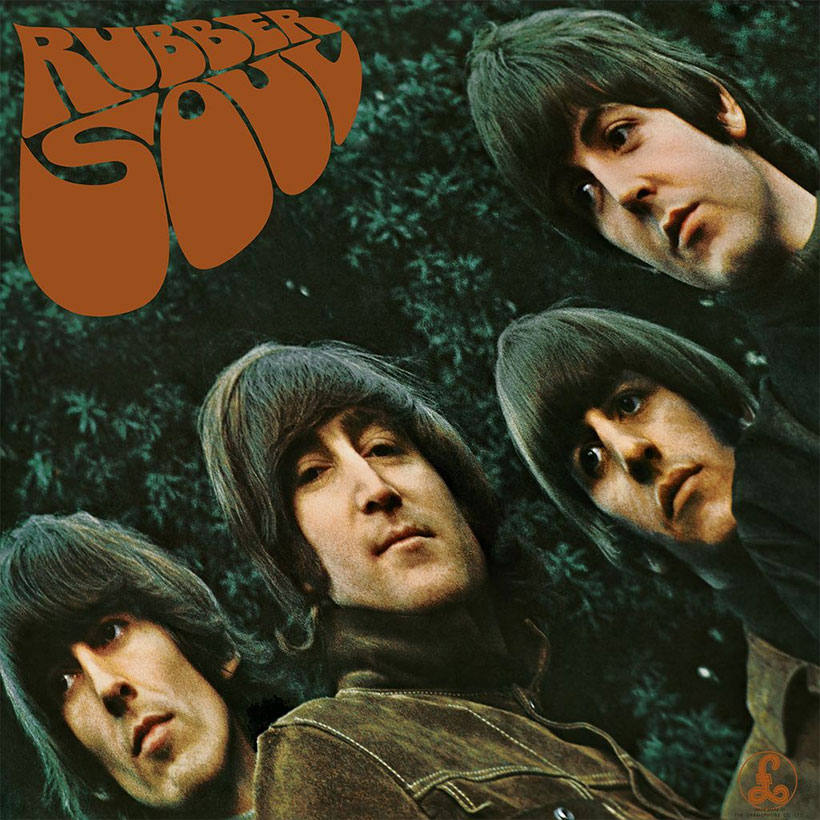
UMG and Apple Corps Ltd. have unveiled a special “Songwriting Work Tape” version of the Beatles’ classic hit “Day Tripper.”
This new version of the band’s seminal cut will be featured on the forthcoming expanded Special Edition of The Beatles’ groundbreaking 1965 album Rubber Soul. The new Special Edition release will arrive on October 2 via Apple Corps Ltd., Capitol Records, and UMe. Pre-orders are live now and the record will be available on multiple LP box set formats, 4CD box sets, and Blu-Ray editions. The Super Deluxe versions include an 88-page hardbound book featuring a new introduction by Paul McCartney and a foreword assembled from Lennon’s comments about the album.

Click to load video
Both “Day Tripper” and “We Can Work It Out” were recorded during the Rubber Soul sessions, but were initially slated to be released as a separate double A-side single and were kept independent from the album.
The “Day Tripper (Songwriting Work Tape)” captures John Lennon and Paul McCartney writing the song together at John’s home, Kenwood, in Weybridge, Surrey. The version of “Day Tripper” we’ve come to know and love was eventually completed during an eight-hour studio session.
The forthcoming Rubber Soul Special Edition was newly mixed by producer Giles Martin and engineer Sam Okell. The expanded collection features 24 early session recordings, including 20 previously unreleased takes and three previously unreleased home demos, alongside the album’s new stereo mix, original mono mix, and original Capitol U.S. album version and the contemporary “Day Tripper” / “We Can Work It Out” single.
Originally released on December 3, 1965, Rubber Soul was recorded across four weeks in October and November of that year. The 14-track album includes “Drive My Car,” “Norwegian Wood (This Bird Has Flown),” “Nowhere Man,” “Michelle,” “Girl,” and “In My Life.” Arriving just a few months after The Beatles’ legendary August 1965 concert at Shea Stadium, the album signaled a shift toward more ambitious songwriting, instrumentation, and studio experimentation.
The new stereo mix was created from the original four-track master tapes, with de-mixing technology developed by a sound team led by Emile de la Rey at Peter Jackson’s WingNut Films Productions Ltd.