‘Crazy Man, Crazy’ Tells Story Of Rock ‘N’ Roll Original Bill Haley
The book is written by his son Bill Haley Jr with Peter Benjaminson, and is billed as the first complete Haley biography.
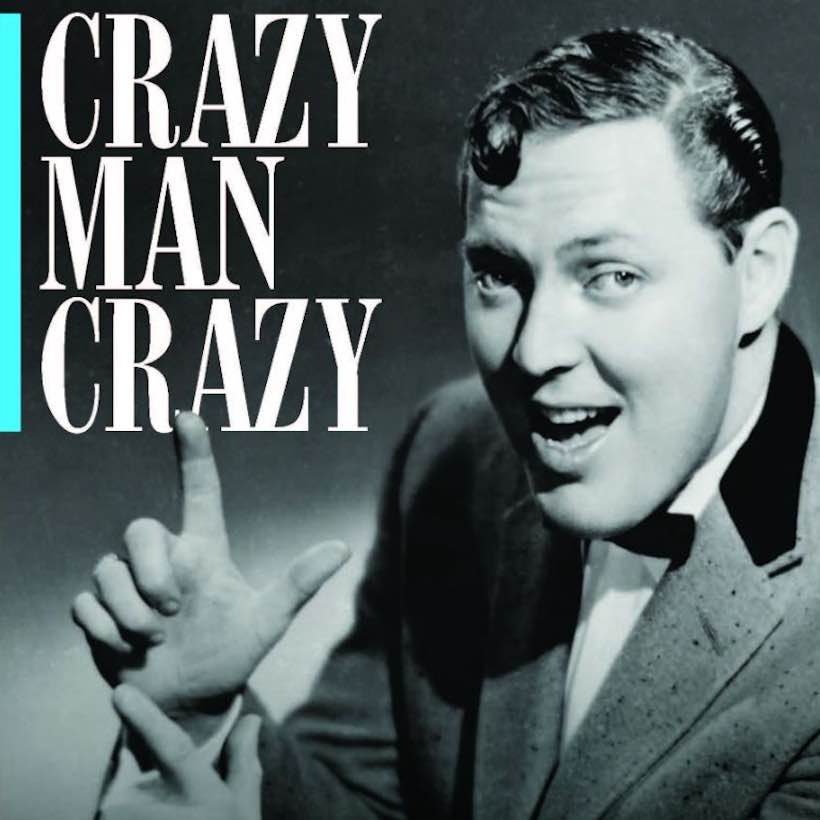
A new biography of rock ‘n’ roll original Bill Haley will be published by Omnibus Press on 18 April. Crazy Man, Crazy: The Bill Haley Story is written by his son Bill Haley Jr with Peter Benjaminson, and is billed as the first complete biography to tell the story of the man who was a rock ‘n’ roll star even before Elvis Presley.
The book discusses the songs that Haley and his group the Comets made famous all over the world, including ‘See You Lator, Alligator,’ ‘Shake, Rattle & Roll,’ the titular ‘Crazy Man, Crazy’ and of course ‘Rock Around The Clock.’ It also describes the “wild performances, rough roadhouses and the Hollywood high points” and does not stint in addressing Haley’s personal demons.
Crazy Man, Crazy contains extensive interviews with family members, former bandmates in the Comets and business associates. Decades of exhaustive research have gone into the volume, which contains rare and previously unseen photos from Haley Jr’s personal collection. It promises a unique glimpse into the personal and professional lives of a musical innovator, including “his tragedies, triumphs and the fallout of his failures as a father and husband.”
Author Dave Thompson says of the book: “Bill Haley has always been acknowledged as one of the fathers of rock’n’roll. It’s taken a long time, but at last, he gets the book he deserves. Crazy Man, Crazy is an aptly titled tumble through both Haley’s role in the birth of the genre and its aftermath.”
Fellow author Peter Aaron adds: “Before Elvis, Chuck Berry or Buddy Holly hit the charts, there was the spit-curled, hard-hollerin’ father of rock ’n’ roll: Bill Haley, a one-time cowboy singer from the tiny farm town of Boothwyn, Pennsylvania. Despite his waxing some of the biggest, most iconic singles of the early rock era with his band, the full story of this essential musical pioneer has been glaringly absent from the bookshelves.”
 UK English