Lee Morgan’s ‘City Lights’ Gets Blue Note Reissue
Recorded when he was 19, trumpeter Lee Morgan’s 1957 album ‘City Lights’ is the latest entry in Blue Note’s acclaimed Tone Poet series and will arrive in February.
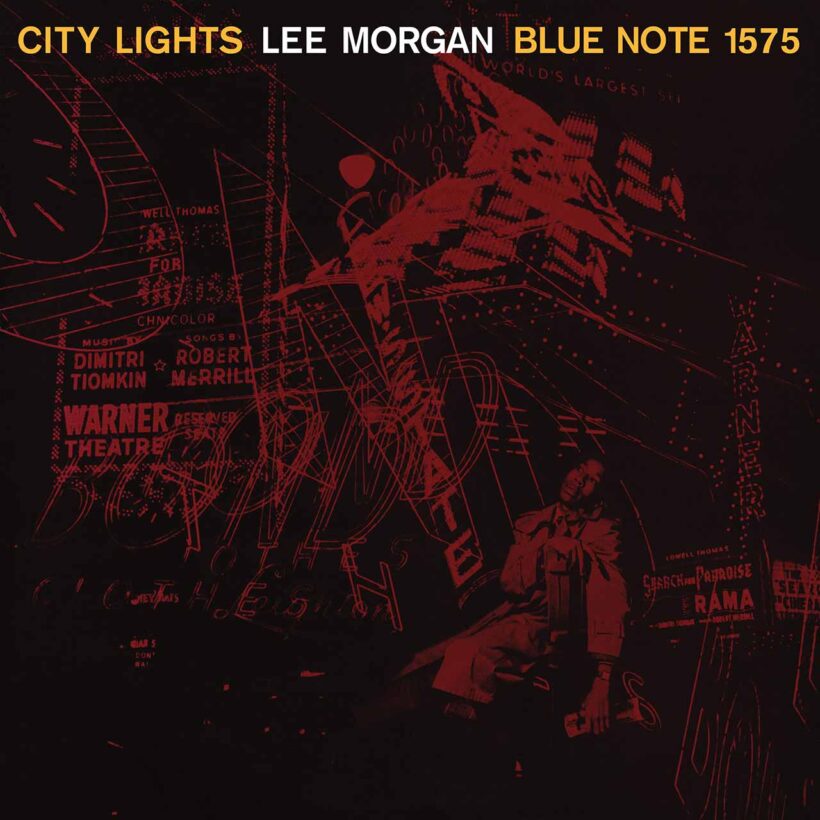
Lee Morgan’s 1957 record City Lights will be the latest entry in Blue Note’s heralded Tone Poet series in February 2026. This stereo Tone Poet Vinyl Edition was produced by Joe Harley, mastered by Kevin Gray from the original analog master tapes, pressed on 180g vinyl at RTI, and packaged in a deluxe gatefold tip-on jacket.
Shop Lee Morgan’s City Lights Blue Note edition here.
The trumpeter recorded this collection when he was 19 years old, around the same time that he was playing with Dizzy Gillespie’s band. He began recording for Blue Notes just one year prior, making his debut with 1956’s Lee Morgan Indeed! City Lights features Curtis Fuller (trombone), George Coleman (alto and tenor sax), Ray Bryant (piano), Paul Chambers (bass), and Art Taylor (drums). The set includes three compositions by Morgan’s mentor, saxophonist and composer Benny Golson.
The record opens with the title track, which Golson described as “A crowded city street with all its wondrous brightness—perhaps Broadway.” In the album’s original liner notes, Golson offered context for another one of his compositions, “Tempo de Waltz.” “I wrote it in 1947, during my first year in college. There were three sections: in the first was the waltz theme, which I used on this date; Next came an abstract “free-form” section with no set theme and a series of tempo changes, and the last section went back to the waltz theme,” he said. “I was encouraged by one of the violin instructors to finish this composition. At that time I hadn’t anticipated using the waltz theme as a jazz composition.”
City Lights closes with “Kin Folks,” composed by jazz musician Gigi Gryce and arranged by Golson. “Some of Gigi‘s relatives, including his mother, came to New York to visit him. As the time neared for their departure He became very melancholy. As a result, that morning, about 5:30 AM, he sat in a restaurant over a cup of coffee and began to sketch a melody on a napkin,” Golson recalled. “If you listen closely, you can feel the effects of his melancholy. I tried to set up an introduction, and a supplementary chorus after the opening theme that would keep the same flavor throughout. The stop time was also Gigi‘s idea.”
The following year, Morgan released The Cooker. Just days before the recording session, Morgan played on John Coltrane’s seminal album Blue Train.