Sly & Robbie’s Sly Dunbar Dead At 73
The Kingston-born drummer and producer played a crucial role in the evolution of reggae.
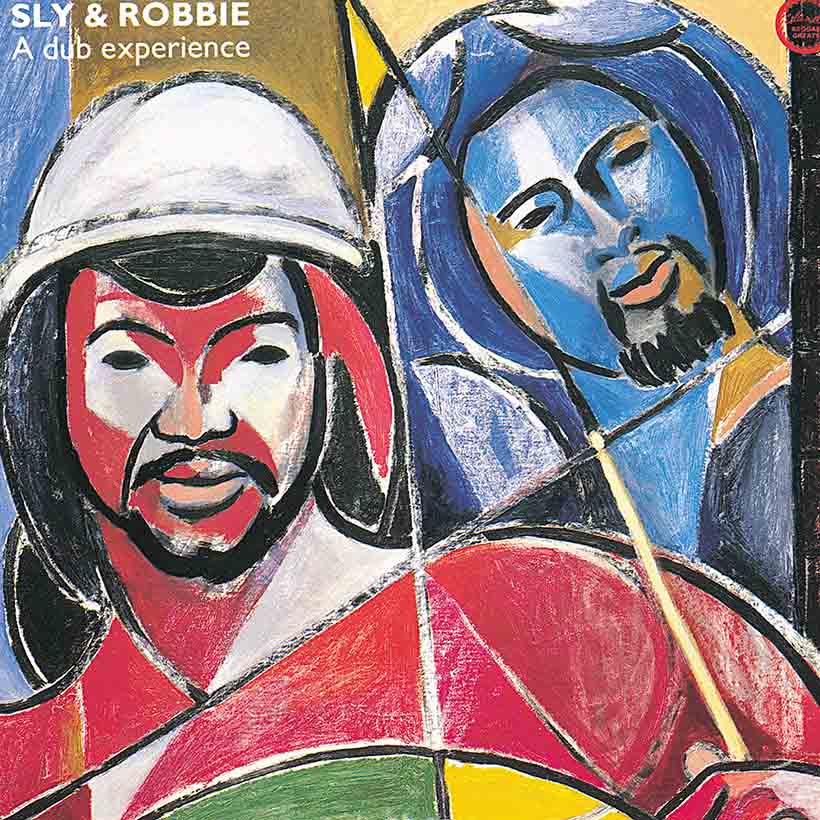
Sly Dunbar has passed away. The Jamaican drummer and producer, who partnered with bassist Robbie Shakespeare to form the rhythm section and production team Sly & Robbie, was one of the most accomplished and influential figures in the history of reggae. Dunbar’s wife Thelma told Kingston newspaper The Gleaner that she found him unresponsive at home Monday following an extended illness. He was 73.
“As one half of Sly & Robbie, Sly helped shape the sound of reggae and Jamaican music for generations,” Dunbar’s family shared in a statement to TMZ. “His extraordinary talent, innovation, and lasting contributions will never be forgotten. Sly’s music, spirit, and legacy touched people around the world, and we are deeply grateful for the love and support during this difficult time.”

Click to load video
As Sly & Robbie, Dunbar and Shakespeare (who died in 2021) played a crucial role in the evolution of reggae, dub, and dancehall. In a career that saw him nominated for 13 Grammys with two wins, Dunbar worked with a who’s who of Jamaican music including Bob Marley, Peter Tosh, Black Uhuru, Gregory Isaacs, and Lee “Scratch” Perry, in addition to sessions with legends beyond the reggae scene like Bob Dylan, the Rolling Stones, Grace Jones, Herbie Hancock, and Serge Gainsbourg.
Born Lowell Fillmore Dunbar in 1952, Dunbar grew up in Kingston and joined his first band, the Yardbrooms, at age 15. Mentored by Lloyd Knibb of the Skatalites and closely studying the work of drummers across Jamaica and the U.S., Dunbar developed his unmistakable style, first heard on record via Dave and Ansel Collins’ 1970 hit “Double Barrel.”
Dunbar met Shakespeare in 1972, when they were both playing in the Revolutionaries, the house band for Joseph “Jo Jo” Hoo Kim’s Channel One Studios. Working together, the two musicians became, in the words of The Independent, “masters of groove and propulsion,” lending their brilliant chemistry to recordings like Junior Murvin’s “Police and Thieves” and the Mighty Diamonds’ “Right Time.” In 1978, they backed up Peter Tosh on tour with the Rolling Stones.
In 1980, Sly & Robbie launched their own label, Taxi Records, releasing albums under the Sly & Robbie banner, including 1982’s Crucial Reggae and 1987’s Rhythm Killers. Their 1989 release Friends won the Grammy for Best Reggae Album. They’d previously won the inaugural Best Reggae Album in as producers and band members on Black Uhuru’s Anthem in 1985. Taxi Records went on to release records by artists like Chaka Demus and Pliers, Ini Kamoze, and Beenie Man.
During the ‘80s, Sly & Robbie became part of the Compass Point All-Stars, the house band at Island Records founder Chris Blackwell’s Compass Point Studios in the Bahamas. In that capacity, they worked on Dylan’s 1983 album Infidels, three Grace Jones albums, and more.
Sly & Robbie began experimenting with digital recording techniques that laid the groundwork for dancehall music, a sound they embraced in the 1990s, including their work on Chaka Demus & Pliers’ 1992 single “Murder She Wrote.” They continued to have a presence in the global pop mainstream all the way into the 21st century, remixing the Fugees in 1996 and producing songs for No Doubt’s dancehall-infused 2001 hits “Hey Baby” and “Underneath It All.”