The Wood Brothers’ ‘Ways Not To Lose’ To Receive Vinyl Reissue
The 2006 debut includes hit singles like ‘The Luckiest Man.’
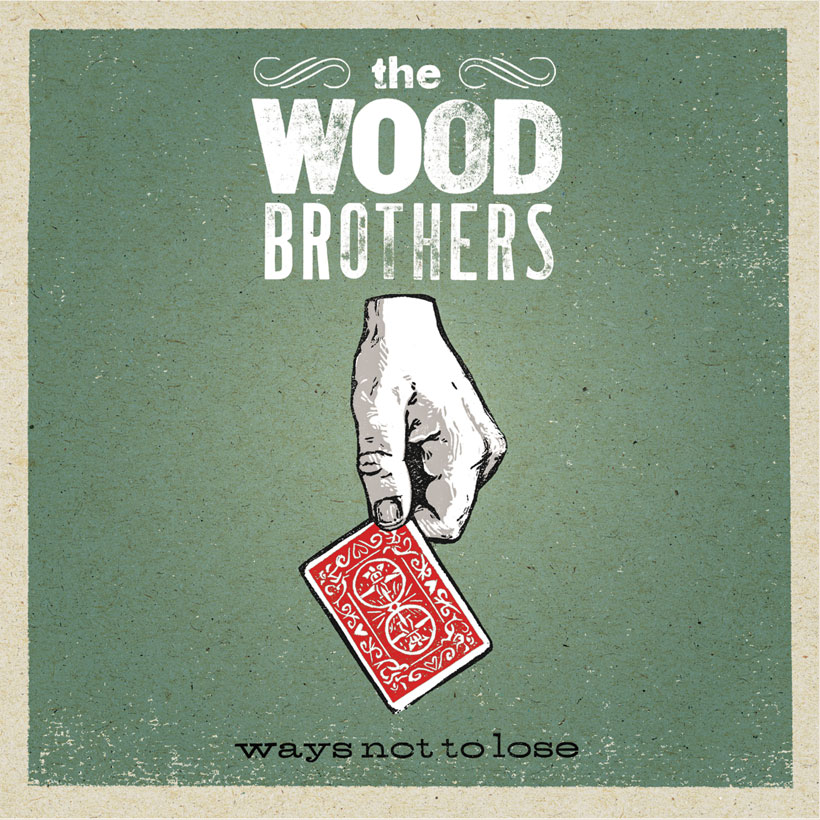
The debut album from The Wood Brothers, Ways Not To Lose, is set to be reissued via Blue Note in honor of its 20th anniversary. The LP, from brothers Oliver and Chris Wood, was produced by John Medeski.
The talented brothers took a long path to get to their debut collaboration, which is now considered a modern classic in the folk-rock genre, though pinning the album to any particular style does its varied scope a disservice.
Oliver and Chris picked up instruments as kids thanks to the influence of their father, Bill Wood, who was an integral part of the influential Cambridge, Massachusetts folk scene of the late 1950s. Oliver fell in love with the guitar, Chris played bass. They wrote songs together, but went their separate ways in young adulthood. Oliver said, “I moved to Atlanta and became a southerner. Chris moved to New York City and became a Yankee.” Chris would form jazz fusion group Medeski Martin & Wood, alongside the keyboardist who would go on to produce the first Wood Brothers album.
In Georgia, Oliver formed his own band, King Johnson, before a family event in 2004 led to the brothers uniting under The Wood Brothers. With Medeski, they recorded nine songs written by Oliver, plus two they wrote together, and a cover of the traditional gospel song “Angel Band.”

Click to load video
In a 2025 interview with The Bluegrass Situation, the siblings discussed their reunion that led to the first Wood Brothers album. Chris explained, “One thing that’s not obvious looking from the outside in is how much overlap there was with [Medeski Martin & Wood] and what [Oliver] was doing with King Johnson. MMW formed in New York City in the early ‘90s in a very particular music scene where we were always trying new things and mashing together genres and finding new ways to play instruments.
“We operated with a fringe set of influences that included field recordings from West Africa and all kinds of other weird things that were out there compared to contemporary classical music, but when King Johnson opened for us in the early 2000s and Oliver sat in with us, there was an immediate connection.”