‘Street Fighting Man’: The Story Behind The Stones’ Political Classic
One of the Rolling Stones’ most powerful songs finds Mick Jagger and the group reflecting the spirit of 1968.
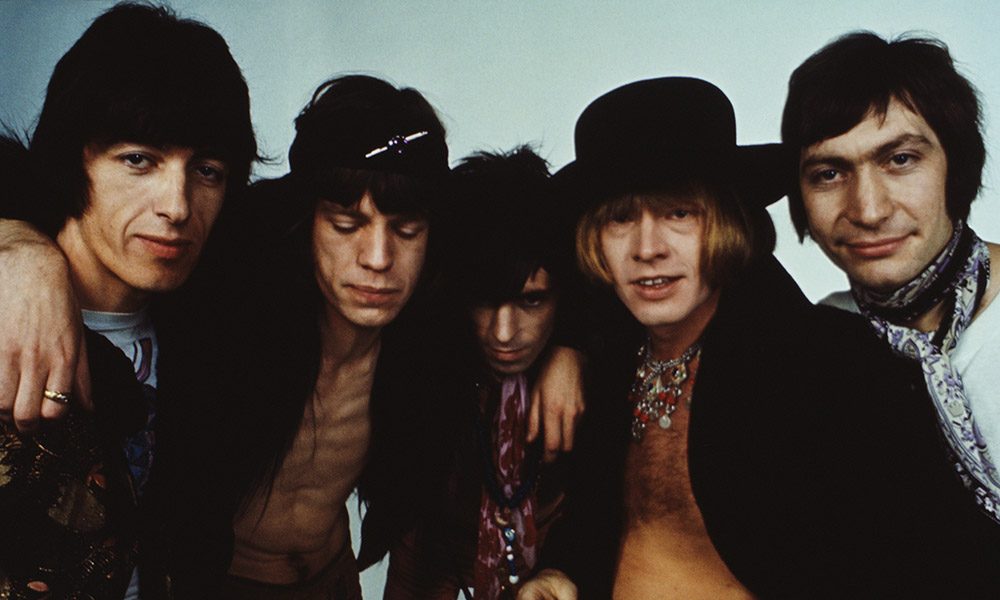
Early in the 1960s, The Rolling Stones weren’t the most political band. On their various albums and singles, the Stones largely stuck to matters of the heart, body, and soul. All of that changed, in somewhat dramatic fashion, in 1968 after Mick Jagger attended an anti-Vietnam war rally in London and bore witness to similar protests happening in America and France. As Jagger’s bandmate Keith Richards put it, “Our generation was bursting at the seams.”
Click to load video
The Recording
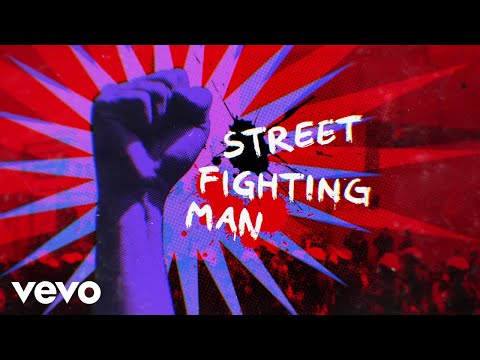
The ongoing civil unrest bled into one of the Stones’ most powerful songs. Recorded for the group’s 1968 album Beggars Banquet, “Street Fighting Man” finds Jagger reflecting the spirit of the time as he calls for “a palace revolution” and, in a nod to a Martha & the Vandellas hit that he would later cover with David Bowie, insists that “summer’s here and the time is right for fighting in the street.”
In the studio, Jagger bounced ideas off Richards, writing them down as they went, before they cut the paper up and rearranged the elements. Their work together generated perhaps the song’s most famous couplet: the self-damning “But what can a poor boy do/except to sing in a rock ‘n’ roll band?”
The music for the song actually began well before the band hit Olympic Sound Studios to lay down the tracks for “Street Fighting Man.” The year before, Richards had been searching for a guitar tone he had in his head – a “dry, crisp sound,” as he put it, that he only achieved through playing a close-miked acoustic guitar into an early cassette recorder.
The other key element was Charlie Watts’ use of an antique practice drum kit that came packed in a small suitcase. While that was augmented in the studio with a bigger bass drum sound, the tinny slap of that tiny trap set proved to be the perfect backdrop for Jagger’s forceful vocal and Richards’ bassline. Threaded throughout are other gracefully psychedelic touches like the drone of a sitar (played by Brian Jones) and a shehnai, a reed instrument used in Indian music (played by Traffic member Dave Mason).
The Reception
“Street Fighting Man” was released in the US in August of 1968, right as protestors were clashing with police in Chicago at the Democratic National Convention. Some radio stations refused to play the song, worried that it would incite further violence. But while it didn’t catch fire on the charts at the time, it has since grown to become one of the Stones’ signature songs and has been featured in the setlists of many of the band’s tours since.
Richards, specifically, remembered “Street Fighting Man” fondly when he was interviewed about the song by Marc Meyers for The Wall Street Journal in 2013. “That’s where the vision met reality,” he said. “When we finished recording ‘Street Fighting Man’ and played back the master, I just smiled. It’s the kind of record you love to make.”