Best Sammy Davis Jr. Songs: 13 Classic Songs
Taking in everything from jazz and blues to show tunes, easy listening and even soul and funk, the iconic entertainer’s catalog is thrillingly diverse.
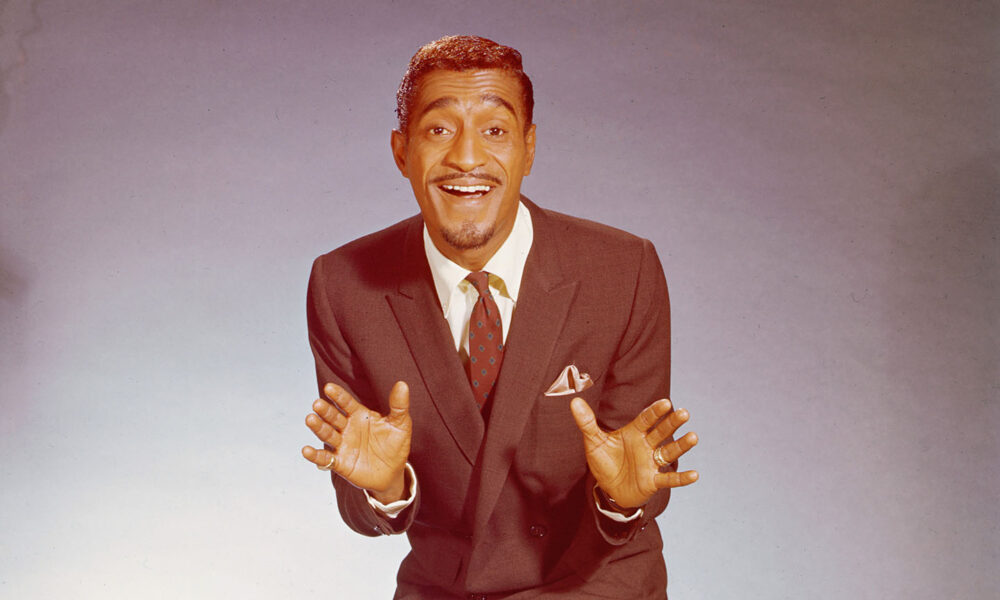
Sammy Davis Jr. was nicknamed “Mr. Show Business” and it’s not hard to understand why. Born in Harlem, New York, to parents schooled in Vaudeville, he first set foot on stage aged just 3 and rarely left it until his death, at 75, in 1990. One of the first black artists to enjoy mass appeal with white audiences, Davis is fondly remembered as one of Las Vegas’ biggest stars and for his on-screen collaborations with fellow Rat Pack buddies Frank Sinatra and Dean Martin, but really there was little he couldn’t do. A talented comedian, dancer and Broadway actor, Davis’ recording career also spanned over five decades and – as this introduction to his catalog reveals – his best music supports the widely-held belief that he was one of the 20th century’s greatest entertainers.
I Ain’t Got Nobody
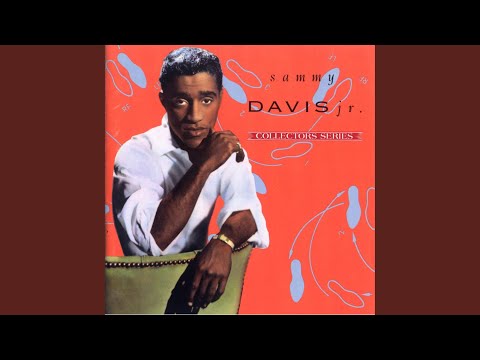
Attributed to ragtime pianist and blues composer Charles Warfield, “I Ain’t Got Nobody” was first recorded by Marion Harris in 1916 and later popularized by Louis Prima in 1956. It flew below the radar at the time, but the young Sammy Davis Jr. also cut a jazzy reframing of this iconic ballad with Capitol Records’ then house band, David Cavanaugh’s Music for an early 1949 single. Showcasing a precocious young talent coming into bloom, this spirited recording was later reprised for the 1965 compilation The Many Faces Of Sammy Davis Jr.
Click to load video
Hey There
Davis’ self-titled debut from 1954 and its spin-off hit “Hey There” are both significant titles in the context of the artist’s wider career. Sammy Davis Jr. went on to become his first (and only) Billboard 200 chart-topper and in doing so, Davis became the first African American solo artist to achieve this distinction. The most successful of the record’s five singles, his playful yet poised rendition of “Hey There” (a show tune from the musical play The Pajama Game) also rewarded him with his first Billboard singles chart Top 20 hit.
Love Me Or Leave Me
A song with its roots on Broadway, Walter Donaldson and Gus Kahn’s “Love Me Or Leave Me” was first introduced to the public in the 1928 musical comedy Whoopee! It later became a huge hit for the actress and singer Ruth Etting and once more for Doris Day in the 1955 biopic Love Me Or Leave Me, in which she depicts Etting in the film’s lead role. Not to be deterred, Davis cut his own version in 1955, and his grandstanding, big band recording (complete with an acrobatic scatted vocal section) brought him Top 20 success on Billboard’s Best Sellers chart.
Something’s Gotta Give
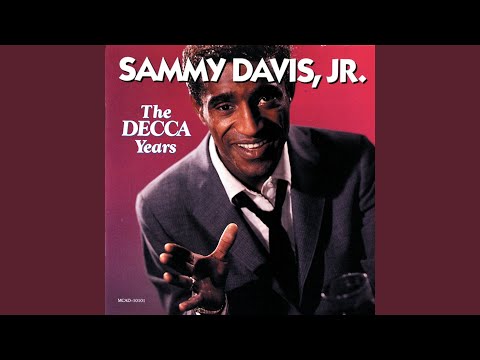
Written by celebrated composer/lyricist and Capitol Records co-founder Johnny Mercer, “Something’s Gotta Give” is primarily associated with Fred Astaire, whose rendition in the 1955 musical Daddy Long Legs earned him an Oscar nomination. However, this classic song about an older, world-weary man falling for a vivacious younger woman was also ideal fare for Davis, and his brassy, big band recording of “Something’s Gotta Give” simply oozes charisma. It also had commercial appeal, peaking at No. 9 on Billboard’s Top Pop chart.
Click to load video
All Of You
Penned by esteemed American songsmith Cole Porter, the enduring “All Of You” first appeared in the Broadway musical Silk Stockings and then in the 1957 movie of the same name, in which it was sung by the film’s male lead, Fred Astaire. By that time, Davis had already recorded a superb version of “All Of You,” and his swooning big band-assisted take is arguably superior. Despite its obvious quality, it wasn’t a Billboard chart hit on release, though it made the Top 30 in the U.K.
That Old Black Magic
Lyricist Johnny Mercer reputedly wrote “That Old Black Magic” with Judy Garland in mind, though it was first recorded by Johnny Johnston for the Academy Award-nominated 1942 film Star Spangled Rhythm and then taken to the top of the Billboard chart in 1943 by bandleader Glenn Miller. The song was already accepted as a standard by the time Davis recorded it, but his version remains a thing of wonder nonetheless. Dripping with verve and benefitting from one of Davis’ most gymnastic vocal turns, this fully-fledged big band classic became a Top 20 Billboard chart hit and a highlight of his 1957 album Sammy Swings.
What Kind Of Fool Am I?
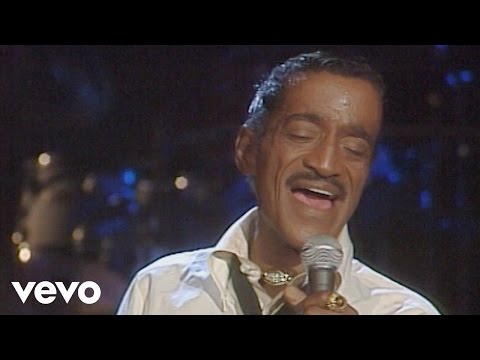
Initially a highlight of the musical Stop The World – I Want To Get Off, “What Kind Of Fool Am I?” was a watershed for its composers, Leslie Bricusse and Anthony Newley. The winner of an Ivor Novello Award, it also earned a Grammy in 1963, with Bricusse and Newley becoming the first Britons to achieve this distinction. Davis’ recording added further prestige, as his poised orchestral reading of this glorious ballad rewarded him with a Billboard Top 20 hit in 1962.
Click to load video
Feeling Good
Davis’ star was still very much in the ascendency during the mid-60s. Aside from his successful recording career, he was nominated for a Tony Award for his onstage performance in the musical adaptation of Clifford Odet’s Golden Boy in 1964 and by 1966 he was presenting his own variety show The Sammy Davis Jr. Show. The latter spawned a spin-off album of the same name, which included numerous gems including Davis’ superb, world-weary version of another Bricusse and Newley song, “Feeling Good,” which – while not a single – quickly became a fan favorite.
I’ve Gotta Be Me
The Broadway musical Golden Rainbow was still running when Davis recorded his choice cover of one of its key songs during 1968. Written by Walter Marks, the song was originally titled “I’ve Got To Be Me,” but Davis changed it to “I’ve Gotta Be Me” when he cut his version, which rose to No. 11 on the Billboard Hot 100 and topped Billboard’s Easy Listening Chart for 7 weeks. Such an impressive yield was unexpected, but on quality alone, Davis’ recording deserved the kudos it received. It’s a real show-stopper, wracked with emotion – and it lent its title to his 1968 album I’ve Gotta Be Me.
The Candy Man
Davis’ career again spiked in popularity during the early 1970s when he covered “The Candy Man,” the song Aubrey Woods originally sang for the soundtrack of Willy Wonka & The Chocolate Factory. Disliking his version, Davis believed it was too schmaltzy, yet in keeping with the lyric, he sprinkled his vocal with “chocolate and a miracle or two” – and it worked beautifully. The public agreed, and “The Candy Man” became Davis’ only Billboard Hot 100 chart-topper and a highlight of his 1972 album Sammy Davis Jr. Now.
Mr. Bojangles
In theory, an introspective, Americana-flecked tune about a talented but troubled street performer might not seem typical Sammy Davis Jr. fare. However, Davis gets right into the soul of “Mr. Bojangles,” and his slow-building version of Jerry Jeff Walker’s 1968 country standard is now widely cited as one of his signature performances. With hindsight, it’s surprising that Davis’ rendition was never an A-side, appearing only as the flip of “The People Tree,” the follow-up to his chart-topping “The Candy Man.”
Click to load video
That’s Entertainment!
“That’s Entertainment!” is usually associated with Judy Garland, as the song dominated her 1960 LP That’s Entertainment! and was later central to her Grammy-winning double set Judy At Carnegie Hall. With its lyrical references to “The world is the stage, the stage is the world,” “That’s Entertainment!” could just as easily have been written with Sammy Davis Jr. in mind. Unsurprisingly, he relished performing this lavish ode to showbiz.
Baretta’s Theme
Soul and gospel singer Merry Clayton’s funky version of “Keep Your Eye On The Sparrow” first introduced the song to the Billboard Hot 100, but it had a greater impact when reworked by Rhythm Heritage, making the U.S. Top 20 after becoming the theme for ABC’s detective series Baretta in 1975. Shortly after, Davis cut a revelatory version of “Baretta’s Theme,” turning it into an imperious slice of Shaft-esque funk. More importantly, it showed that Sammy Davis Jr. was still capable of moving with the times even as he drifted into the later years of his career.
Click to load video
Listen to Sammy Davis Jr.’s music on Spotify or Apple Music now.