The 100 Greatest Jazz Album Covers

Posed with the question, “Who invented jazz album cover design?” Most people will instantly say, Blue Note Records, and Reid Miles in particular. But this would be a gross simplification as well as inaccurate.
What is true is that the record labels that were releasing jazz in the 1940s in 78 albums and then on 10” long playing records were at the forefront of LP design. This is for no other reason other than jazz was the hippest, coolest, and most progressive kind of music around attracting many young designers to the music, who in turn lent their undoubted talents to the genre.
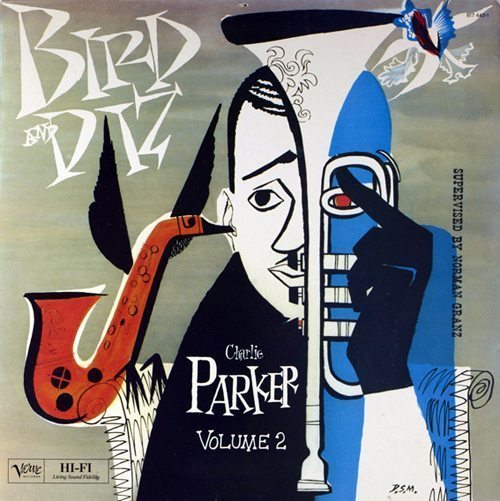
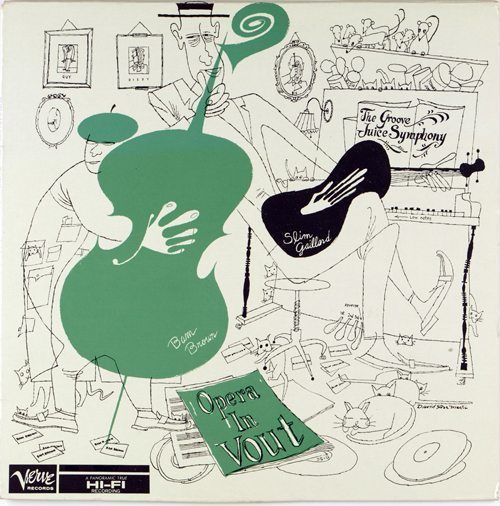
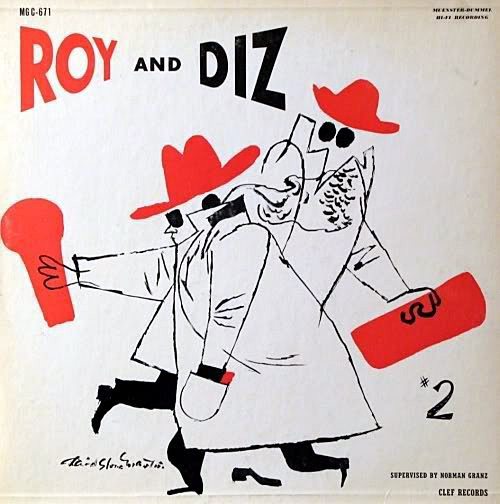
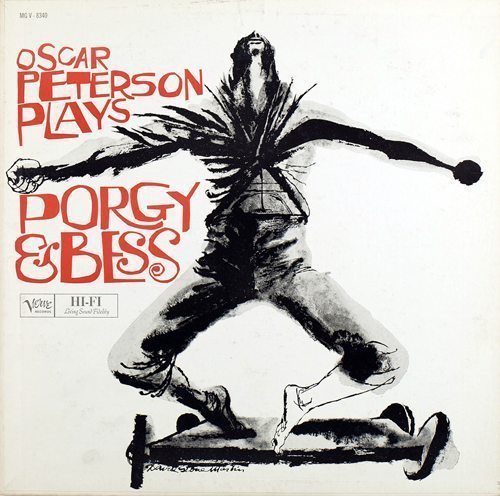
When Norman Granz started his Jazz imprint at Mercury Records it was to David stone Martin that he turned for many of the designs that graced Clef, Norgran and later Verve’s records.
It was through Stone Martin’s working association with Asch Records that he met Granz, and they developed both a friendship and a close working relationship. When Granz gave him the job of looking after all the art needs of Clef Records in 1948.
Besides working freelance, Martin also found time to teach and when the sheer volume of his cover art alone is considered, his prodigious output is apparent. It has been estimated that there are around 400 Clef, Norgran and Verve albums bearing his signature. Some like the Charlie Parker series are instantly recognizable as Martin’s work, while some of his covers for Billie Holiday are less obviously his style. One cover that many would perhaps overlook as Martin’s work is Ella and Louis’s Porgy And Bess (1957).
Over at Blue Note it was another graphic designer, with a passion for jazz, who did many of the label’s early album designs, his name was Paul Bacon. When the label released it’s initial batch of LPs in the early 1950s they featured sleeves designed by a twenty-seven-year-old New Yorker, Bacon. An avid jazz fan, Bacon worked in a small local advertising agency and had got to know Lion through the Newark Hot Club. Bacon’s sleeves sometimes included one of Francis Wolff’s photographs of the artist; it helped them to stand out.
When the new twelve-inch format came along it was Reid Miles, a twenty-eight-year-old designer who had worked for Esquire magazine that came to prominence. His debut for Blue Note, as co-designer with John Hermansader, was a cover for a ten-inch album by the Hank Mobley Quartet in late 1955, but the first album to carry the sole name Reid K. Miles was far from modern – a Sidney Bechet release a few months later.
Perhaps most ironic of all, given that Blue Note album sleeves have become the benchmark against which all modern jazz covers – and those of just about any other album – are measured, Miles was not a jazz fan, but a classical-music lover. Yet perhaps it was his distance from the music that was also his strength, allowing him to approach the design unencumbered by all but the basic details – the album title, the feel of the music, and something about the session. And of course, he had Francis Wolff’s brilliant photographs.
Reid was also interested in photography and began taking his own shots when he didn’t have the right kind of image from Wolff, who was sometimes frustrated by the way Miles drastically cropped his photographs.
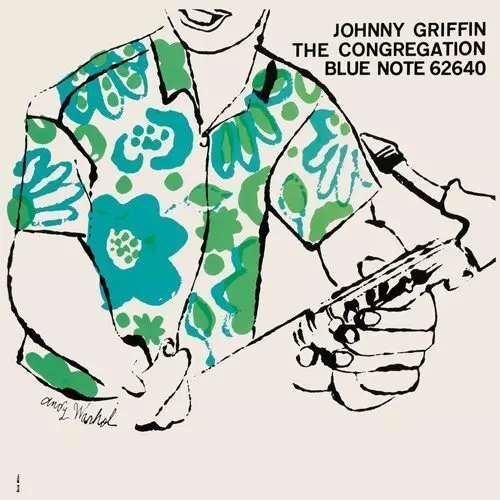
Miles wasn’t paid a lot, at around $50 per cover, and often designed several albums on a Saturday, when not at his full-time job. While he did almost every Blue Note cover for the next decade, when swamped with work farmed out jobs to friends, including a young Andy Warhol, then a struggling artist desperate for commissions. Warhol produced three Kenny Burrell album sleeves along with one for Johnny Griffin. In later years, Miles would design covers for Bob Dylan, Chicago, Neil Diamond, and Cheap Trick.
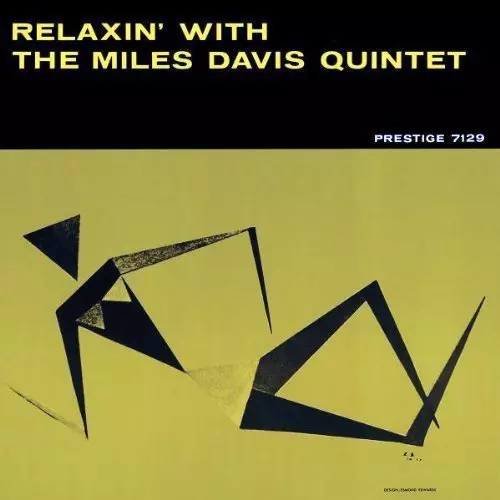
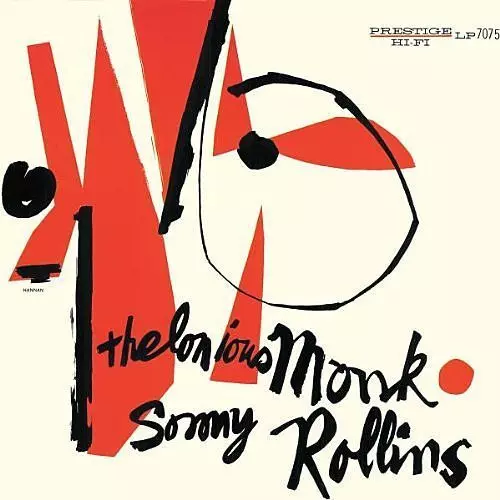
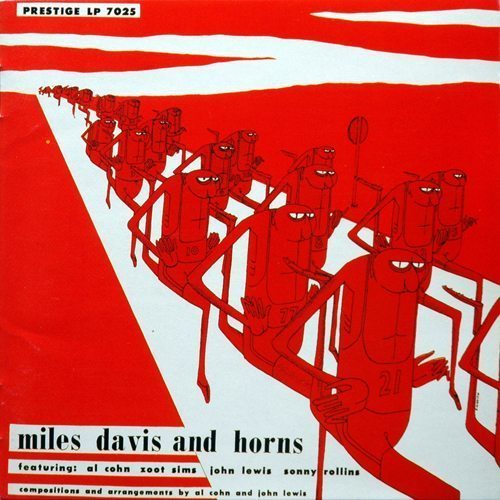
Yet it was also other labels like Prestige and Riverside who also produced some amazing covers, like Relaxin’ with The Miles Davis Quintet that was designed by Esmond Edmonds. Then there’s Don Martin’s amazing work on Miles Davis with Horns or Tom Hannan’s design on the Thelonious Monk and Sonny Rollins LP.
Other companies, including Columbia, Capitol, RCA Victor, Atlantic, United Artists and some smaller independent labels all had some amazing designs that are all represented in the list that follows.
Into the modern era and the glory days may have passed but there are still some classics as you will see from, our 100 Greatest Jazz album Covers. We’d love to hear from you, as to what are your most loved album covers within the jazz genre. We’ll produce an alternate ‘readers choice’ in the coming weeks.
So, in no particular order, what are the Greatest 100 jazz album covers?
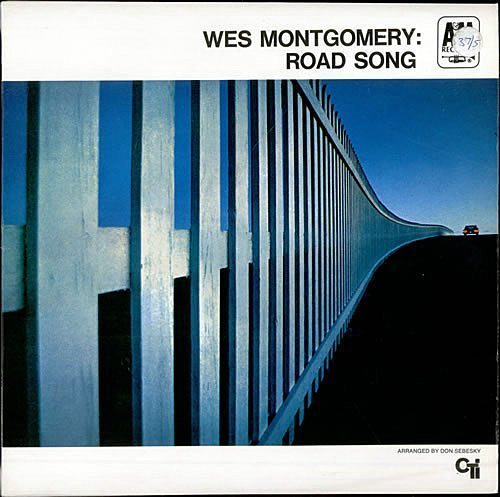
Road Song – Wes Montgomery
Bird and Diz – Charlie Parker and Dizzy Gillespie
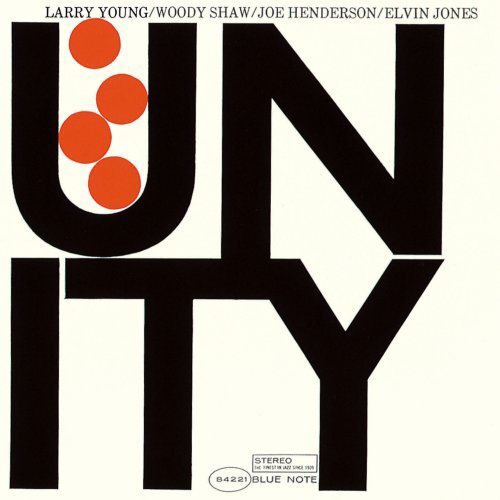
Unity – Larry Young
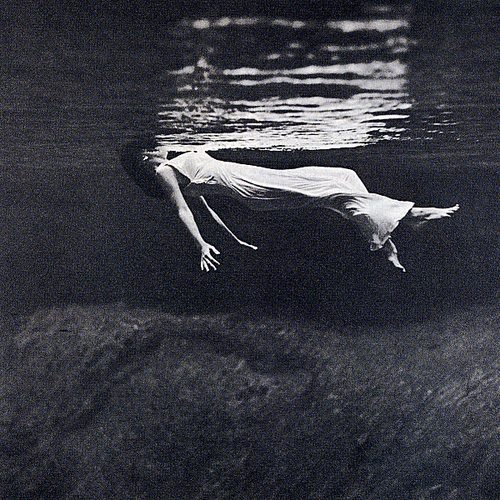
Undercurrent – Bill Evans and Jim Hall
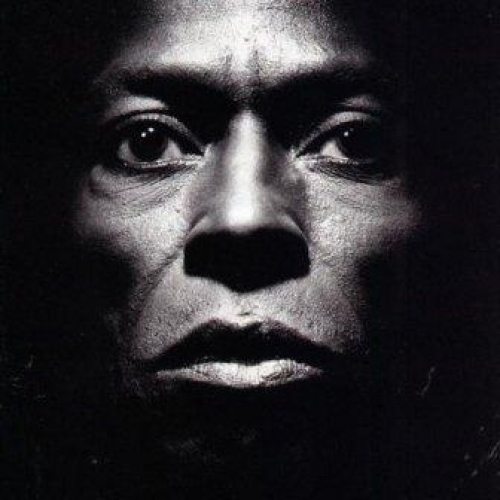
Tutu – Miles Davis
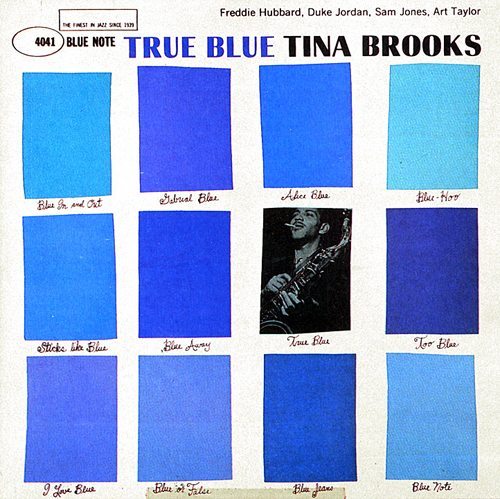
True Blue – Tina Brooks
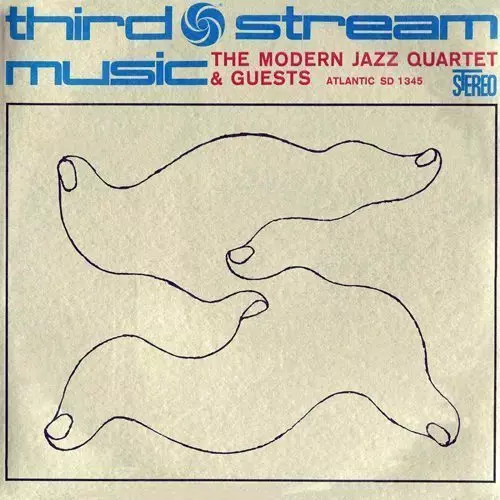
Third Stream Music – The Modern Jazz Quartet
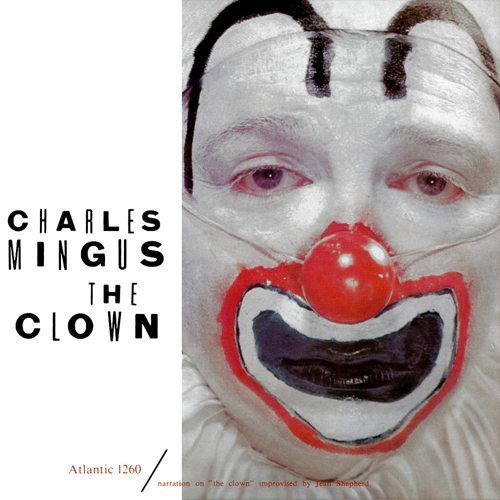
The Clown – Charles Mingus
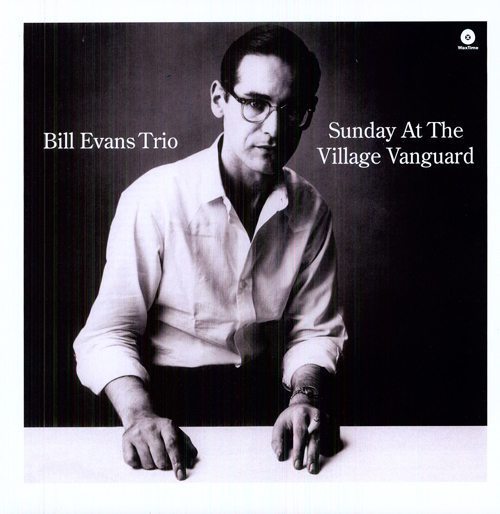
Sunday At The Village Vanguard – Bill Evans Trio
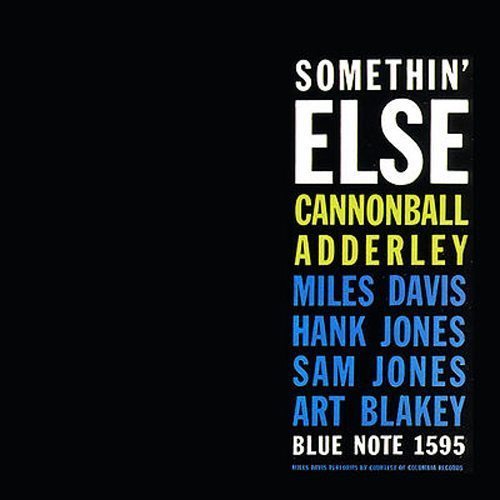
Somethin’ Else – Cannonball Adderley
Laughing In Rhythm – Slim Galliard
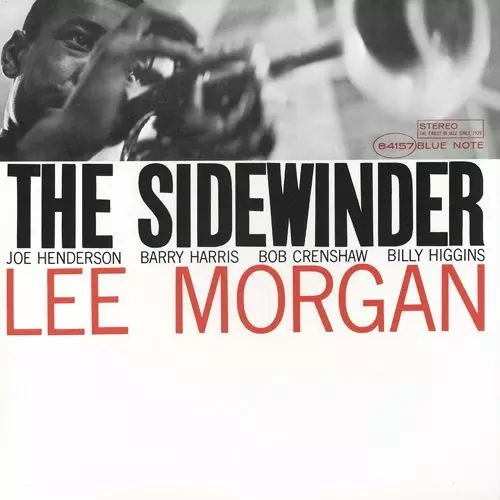
The Sidewinder – Lee Morgan
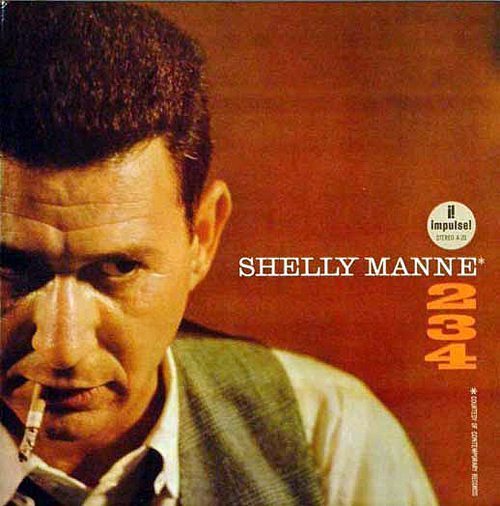
2-3-4 – Shelly Manne
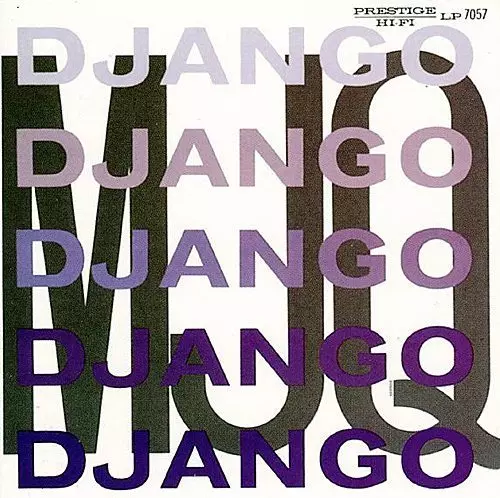
Django – Modern Jazz Quartet
Roy and Diz – Roy Eldridge and Dizzy Gillespie
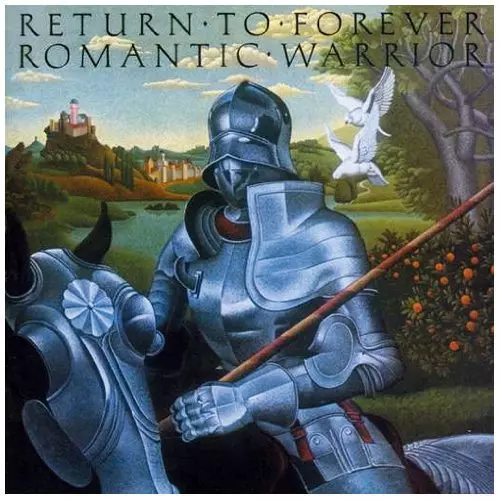
Romantic Warrior – Return to Forever
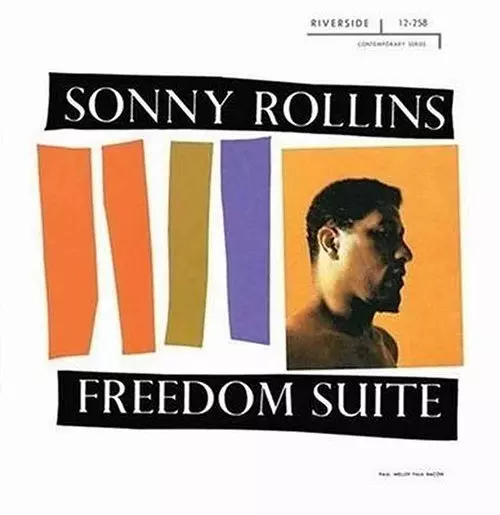
Freedom Suite – Sonny Rollins
Relaxin’ With The Miles David Quintet – The Miles Davis Quintet
Oscar Peterson Plays Porgy & Bess – Oscar Peterson
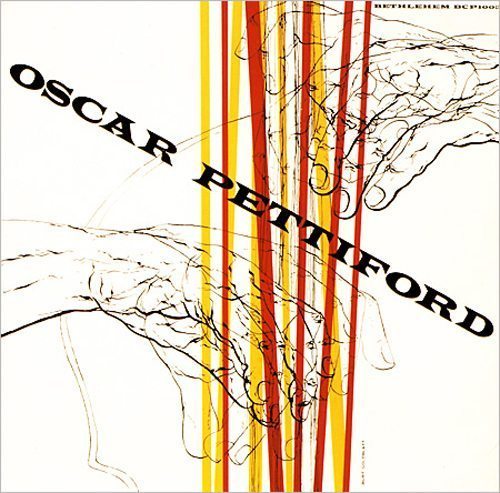
Oscar Pettiford – Oscar Pettiford
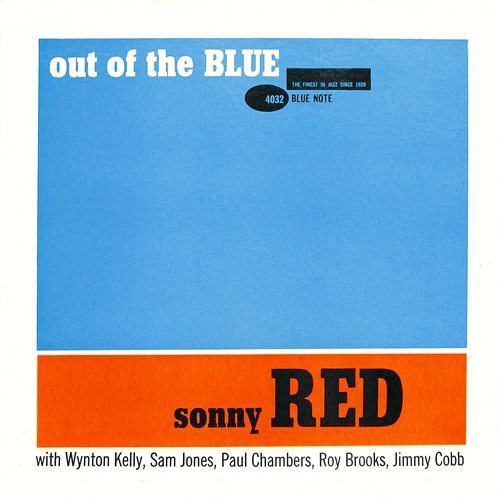
Out of the Blue – Sonny Red
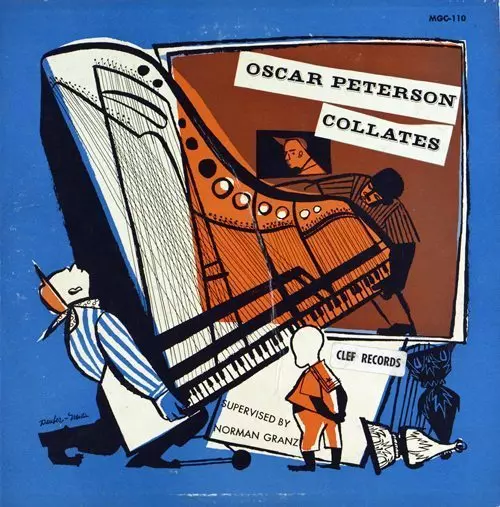
Oscar Peterson Collates – Oscar Peterson
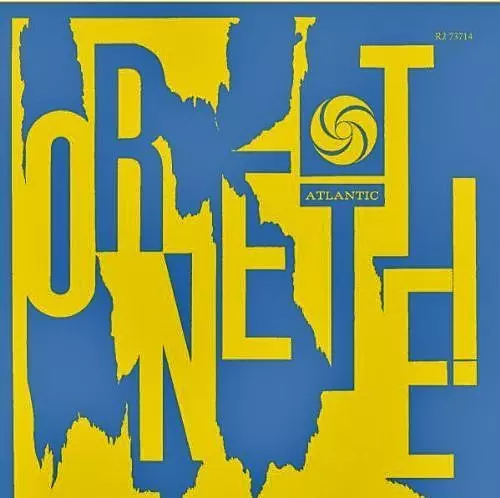
Ornette! – Ornette Coleman
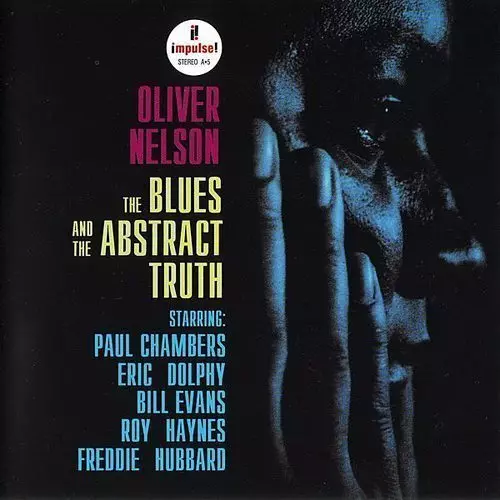
The Blues And The Abstract Truth – Oliver Nelson
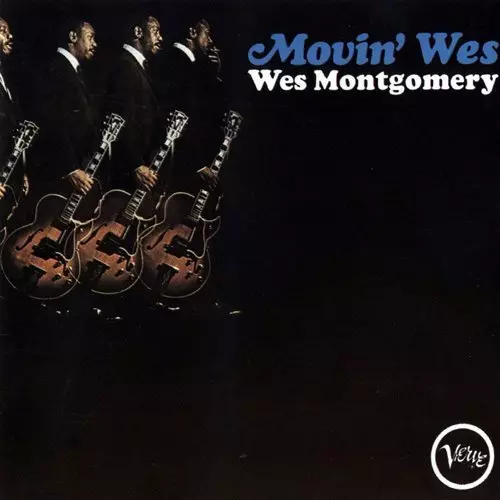
Movin’ Wes – Wes Montgomery
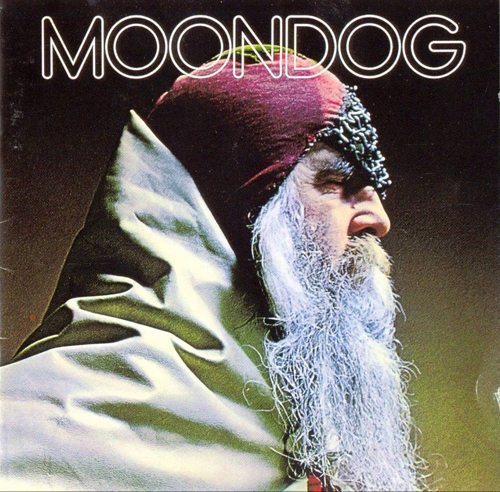
Moondog – Moondog
Thelonious Monk and Sonny Rollins – Thelonious Monk/Sonny Rollins
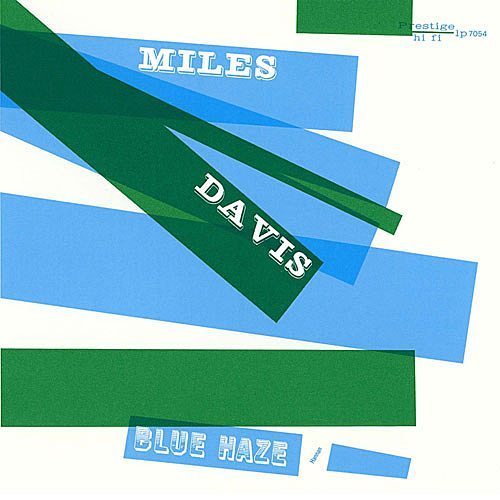
Blue Haze – Miles Davis
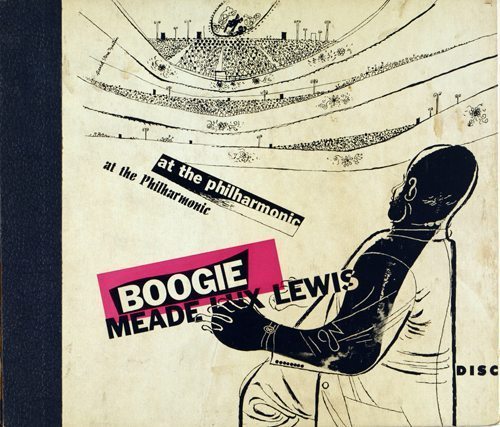
Boogie Woogie At The Philharmonic – Meade Lux Lewis
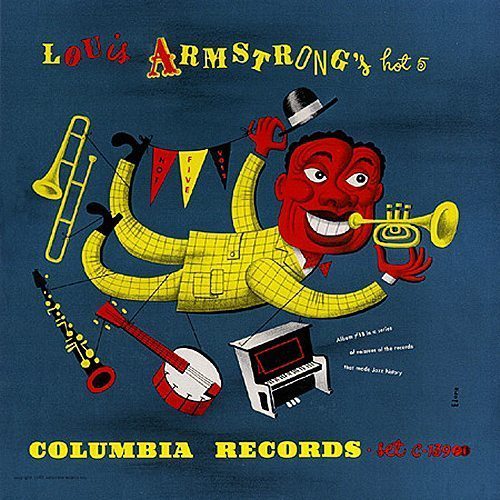
Hot Five – Louis Armstrong
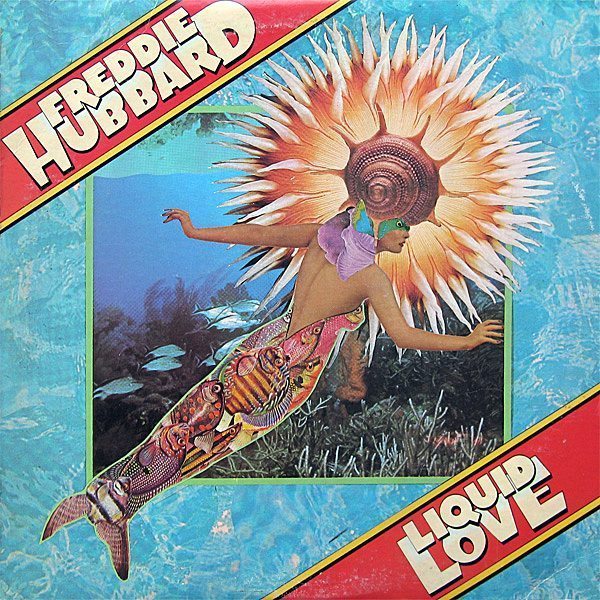
Liquid Love – Freddie Hubbard
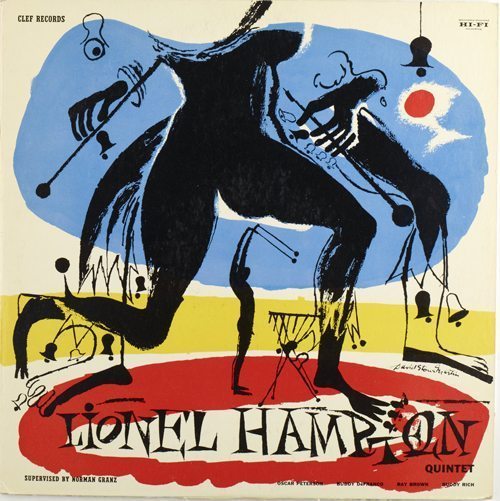
Lionel Hampton Quintet – Lionel Hampton
Lester Young Trio – Lester Young
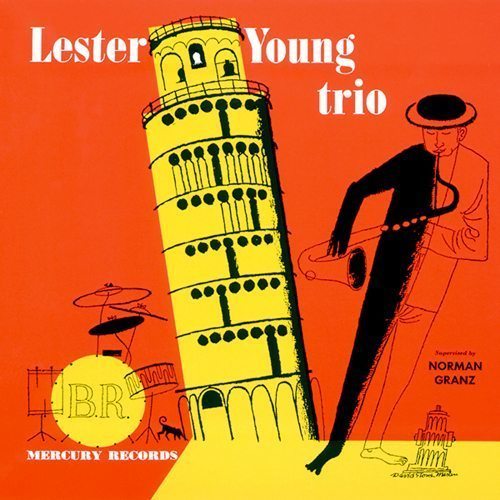
The King Cole Trio – King Cole Trio

Midnight Blue – Kenny Burrell
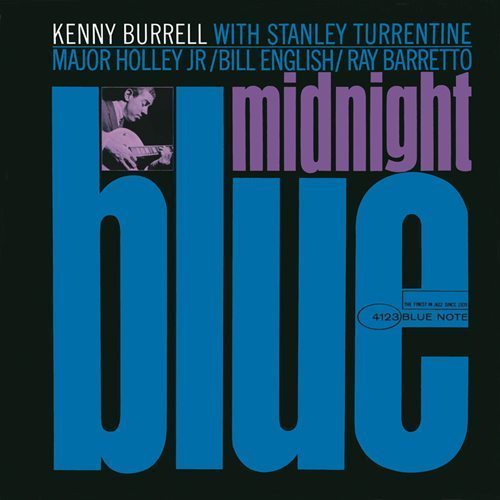
Matador – Kenny Dorham

Kenny Burrell – Kenny Burrell
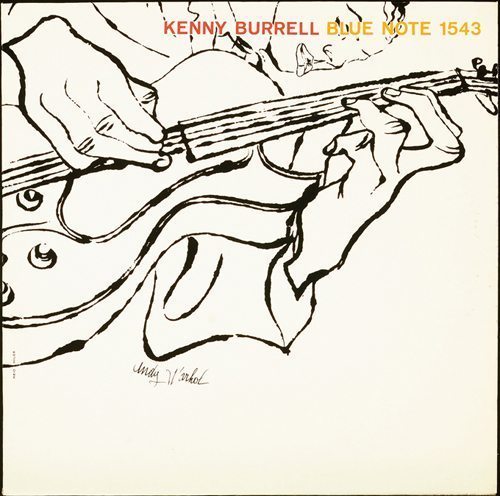
Blue Train – John Coltrane
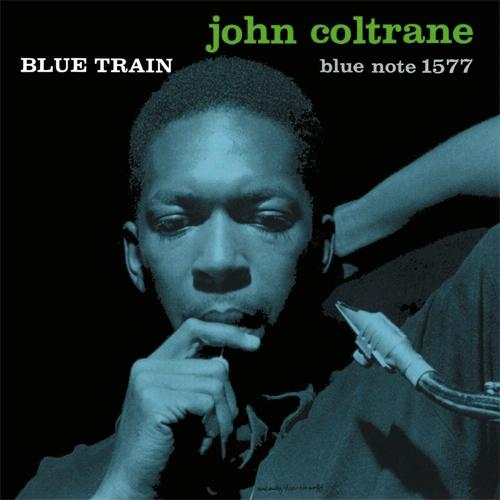
In ‘n Out – Joe Henderson
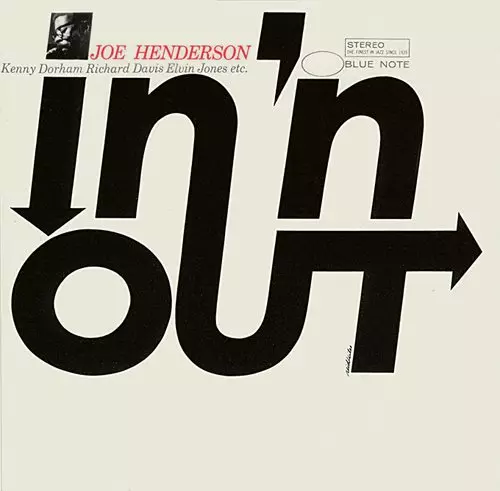
The Jazz Messengers At The Cafe Bohemia Volume 1 – The Jazz Messengers
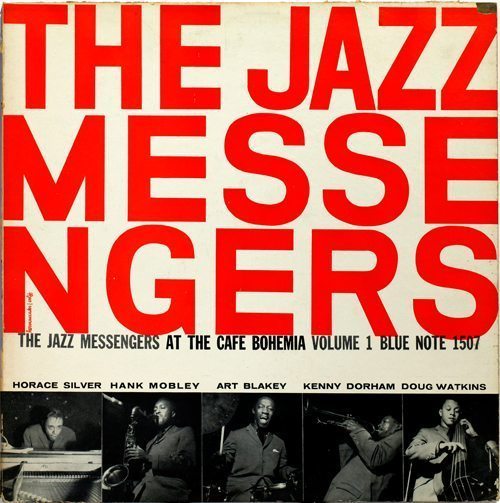
Jazz At The Philharmonic – Norman Granz
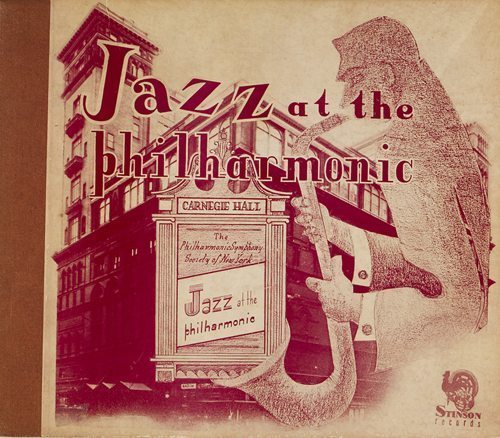
Jazz At The Philharmonic Volume 2 – Norman Granz
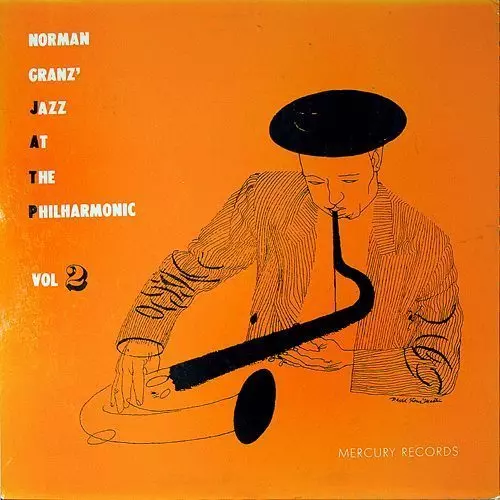
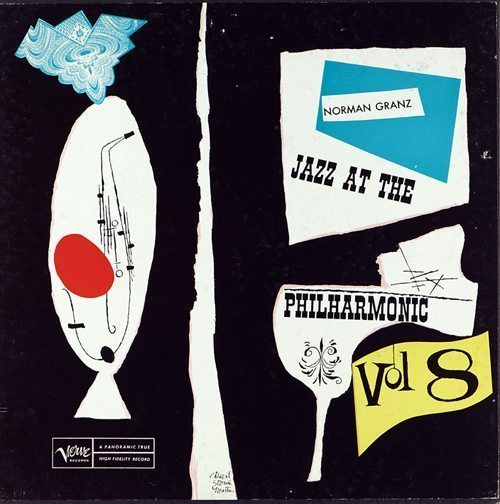
Jazz At The Philharmonic Volume 8 – Norman Granz
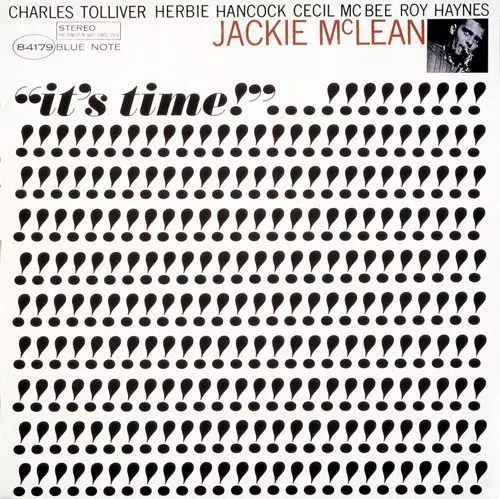
It’s Time! – Jackie McLean
Miles Davis and Horns – Miles Davis
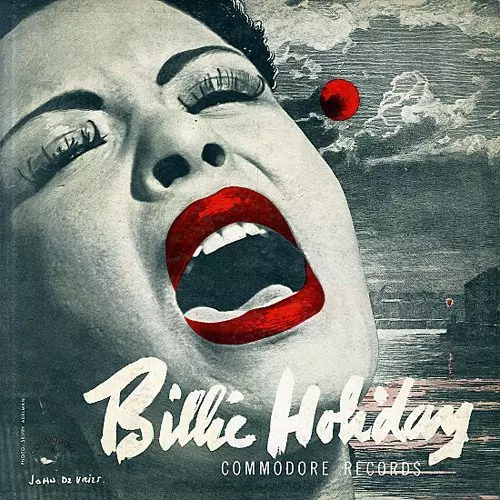
The Complete Commodore Recordings – Billy Holiday
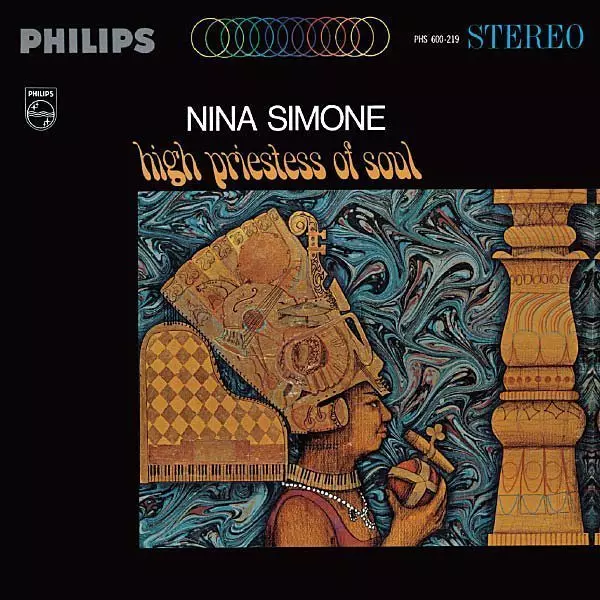
High Priestess of Soul – Nina Simone
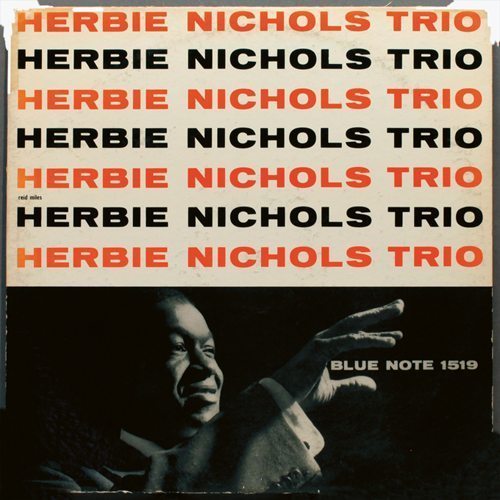
Herbie Nichols Trio – Herbie Nichols
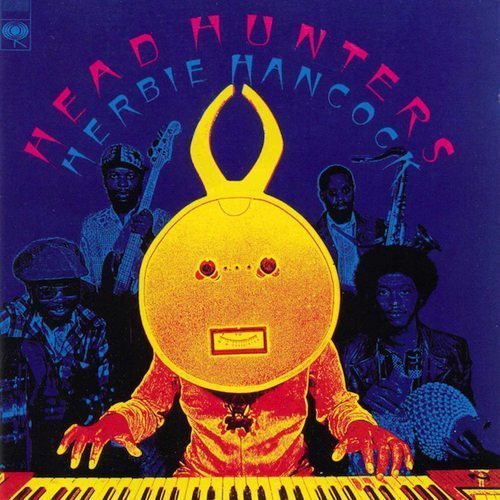
Head Hunters – Herbie Hancock
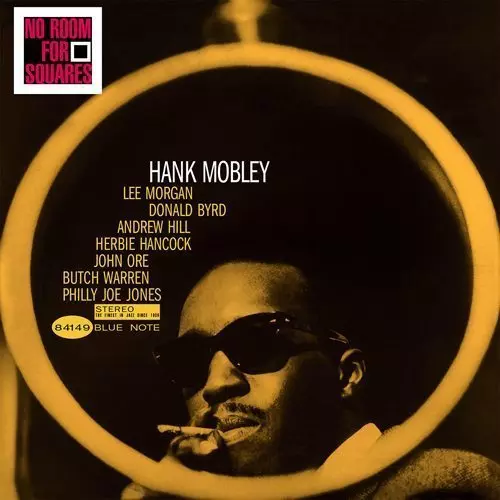
No Room For Squares – Hank Mobley
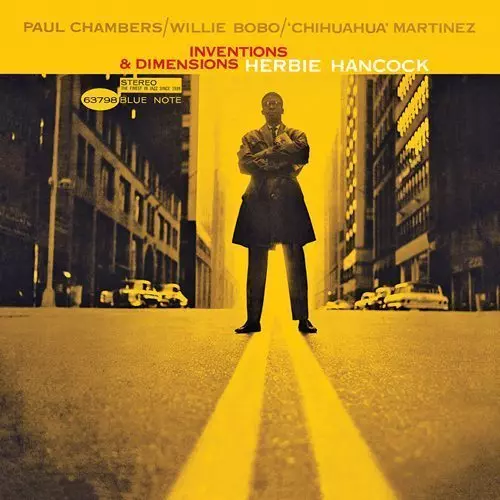
Inventions & Dimensions – Herbie Hancock
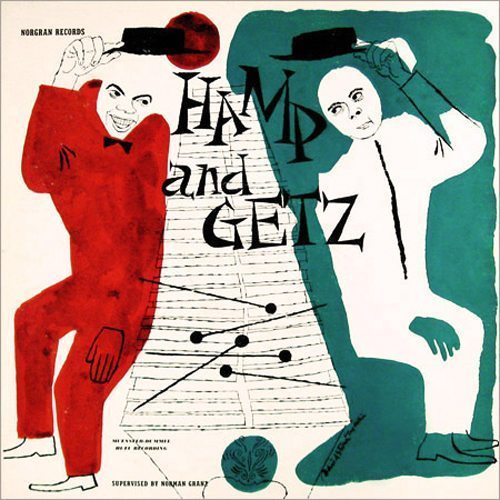
Hamp and Getz – Lionel Hampton and Stan Getz
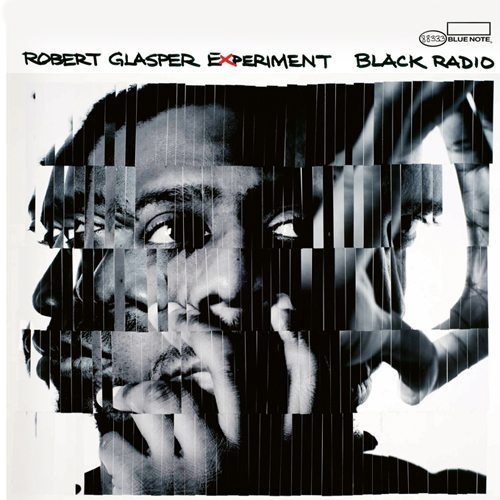
Black Radio – Robert Glasper
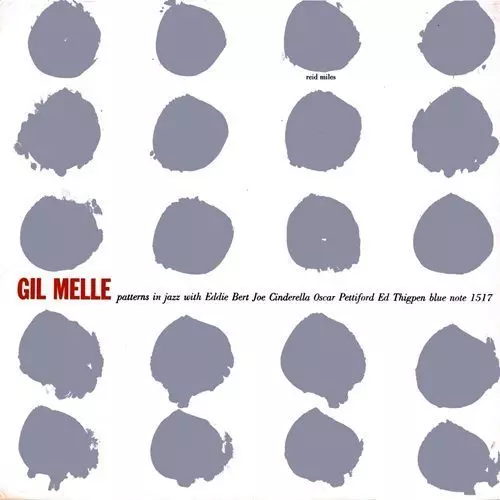
Patterns in Jazz – Gil Melle
West Coast Jazz – Stan Getz
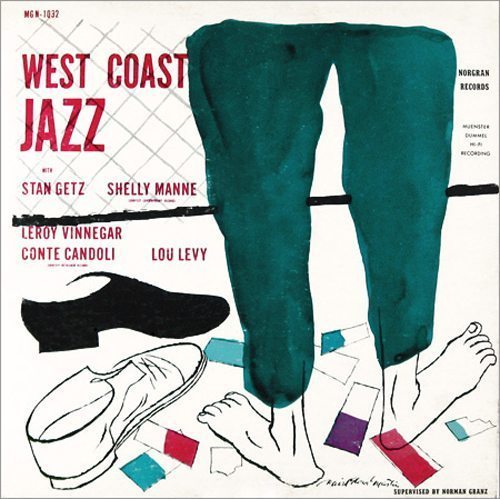
Getz/Gilberto – Stan Gets, Joao Gilberto

Echoes of New Orleans – Goerge Lewis and His New Orleans Stompers
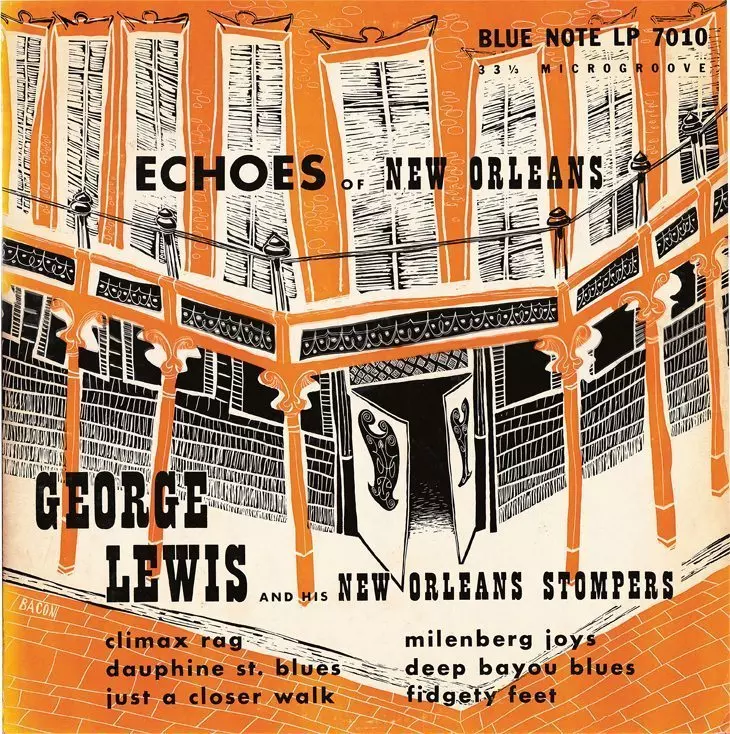
Free Jazz: A Collective Improvisation – Ornette Coleman Double Quartet

Hub-Tones – Freddie Hubbard
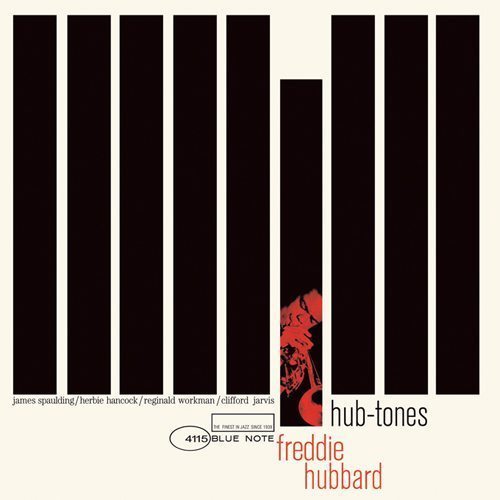
The Astaire Story – Fred Astaire
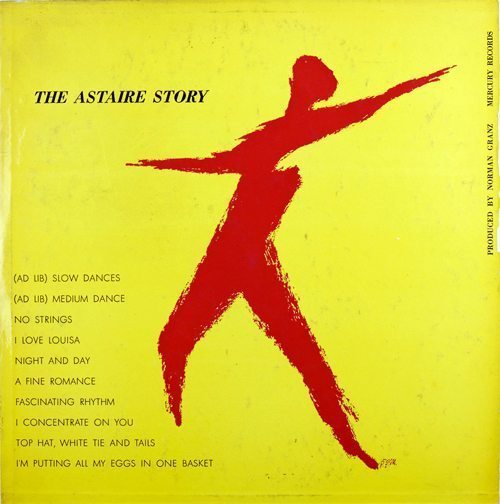
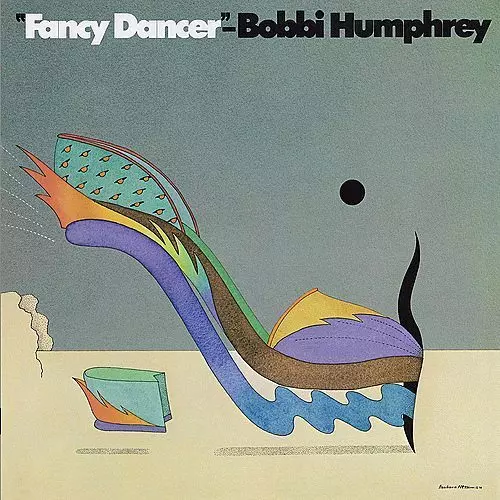
Fancy Dancer – Bobby Humphrey
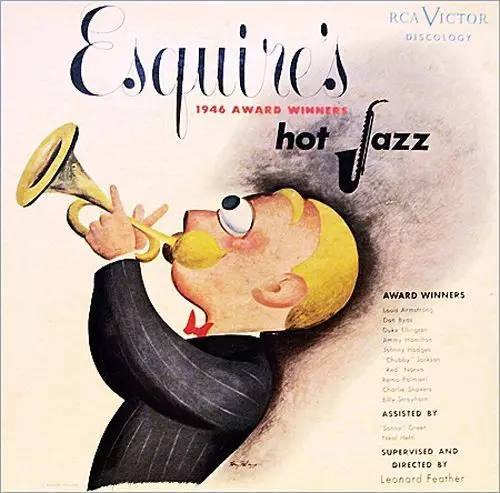
Esquire’s 1946 Award Winners Hot Jazz – Various Artists
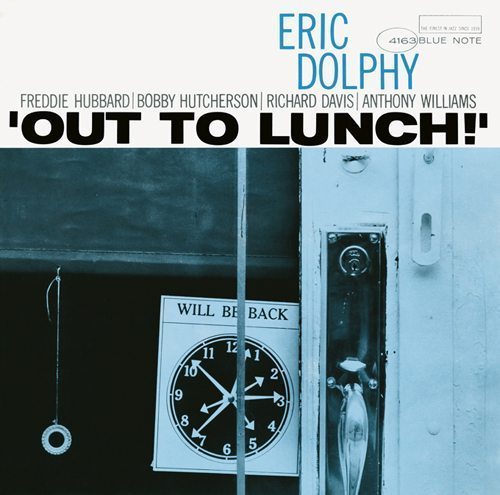
Out To Lunch! – Eric Dolphy
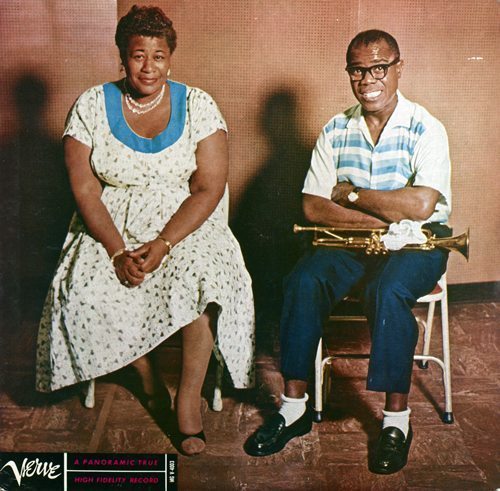
Ella and Louis – Ella Fitzgerald and Louis Armstrong
Porgy and Bess – Ella Fitzgerald and Louis Armstrong

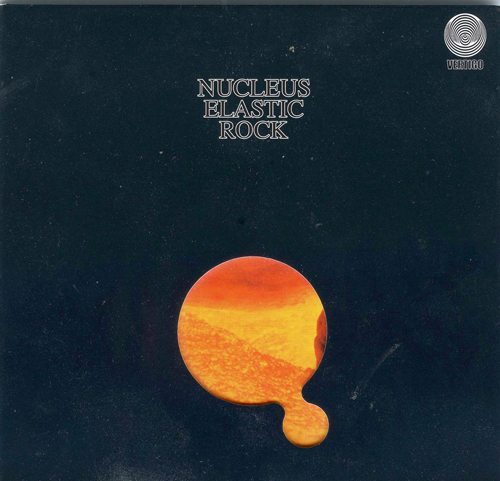
Elastic Rock – Nucleus
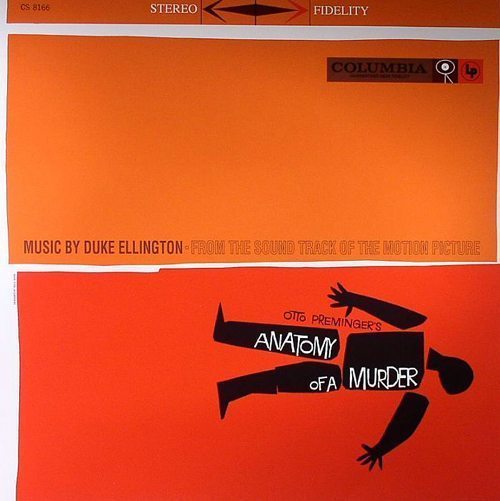
Anatomy of a Murder – Duke Ellington
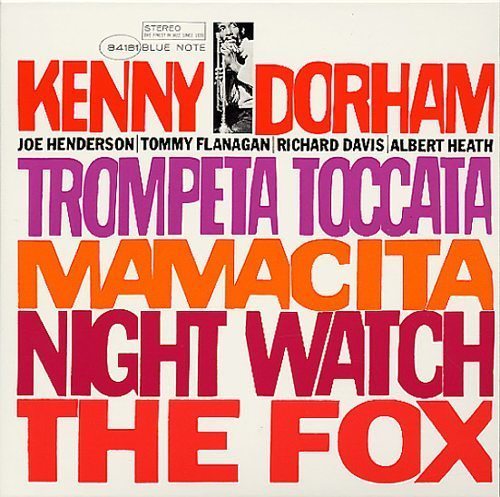
Trompeta Toccata – Kenny Dorham
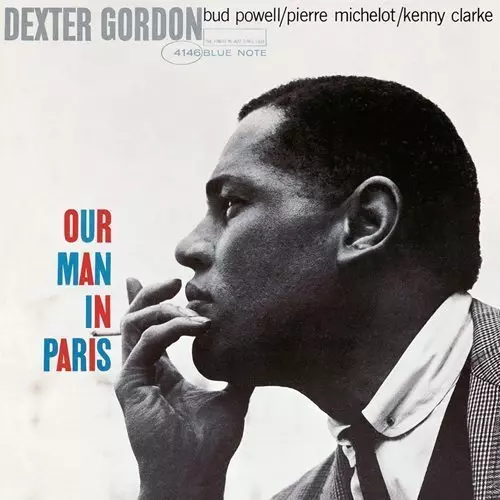
Our Man In Paris – Dexter Gordon
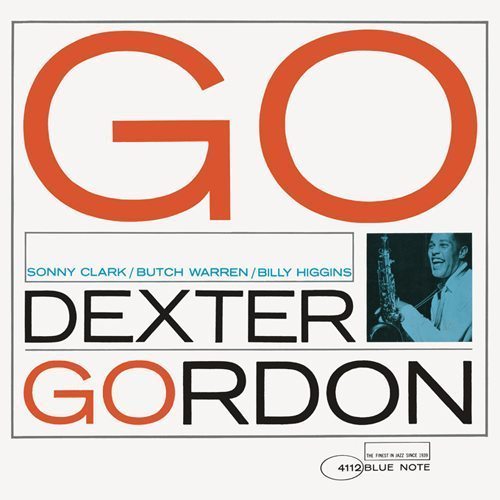
Go – Dexter Gordon
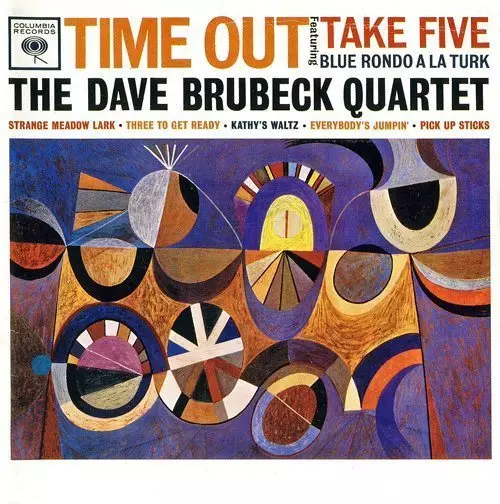
Time Out – The Dave Brubeck Quartet
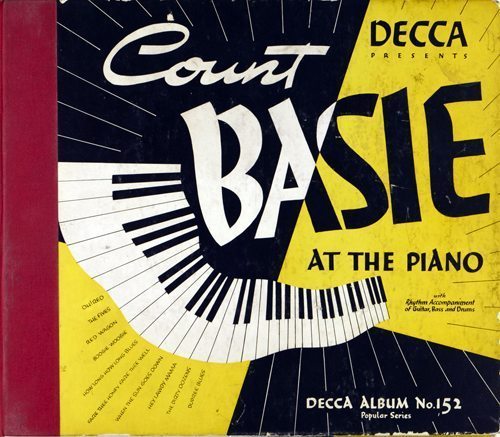
At The Piano – Count Basie
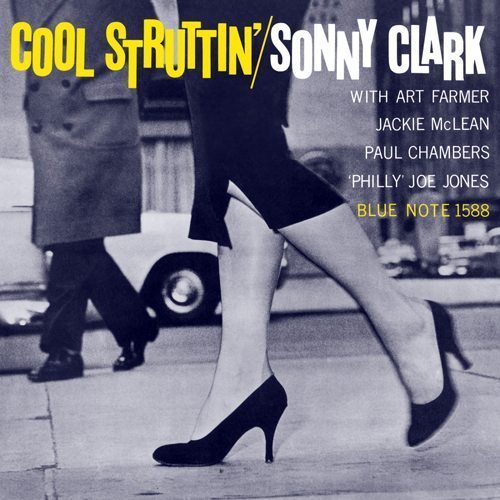
Cool Struttin’ – Sonny Clark
The Congregation – Johnny Griffin
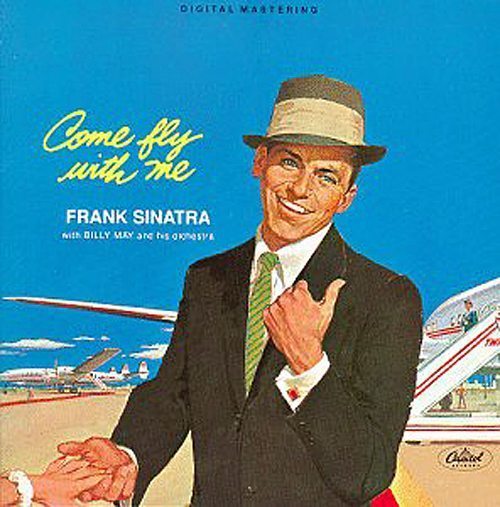
Come Fly With Me – Frank Sinatra
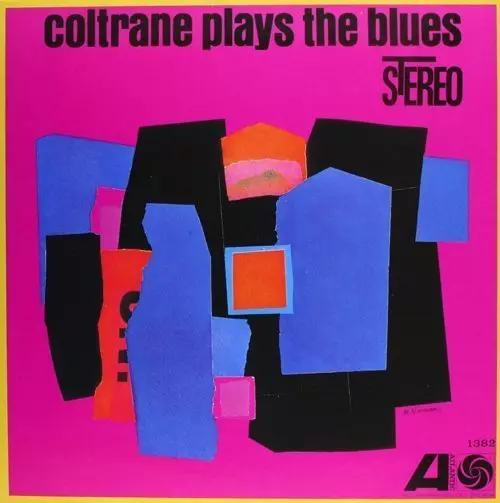
Coltrane Plays The Blues – John Coltrane
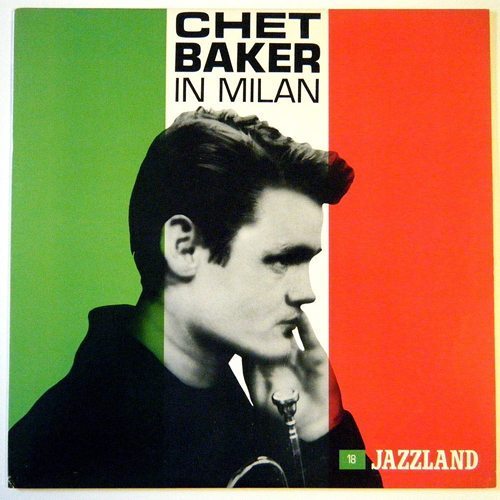
Chet Baker In Milan – Chet Baker
Charlie Parker With Strings – Charlie Parker

The Afro-Cuban Jazz Suite – Chico O’Farrill/Machito
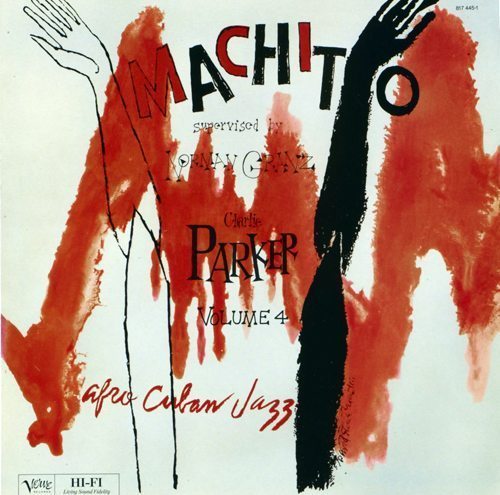
Jazz At The Philharmonic 1949 – Charlie Parker
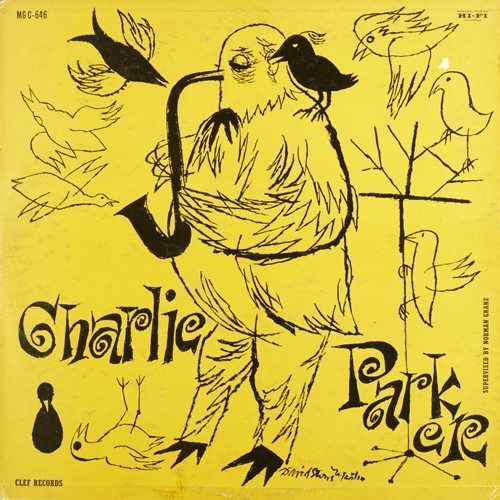
Unit Structures – Cecil Taylor

The Cat – Jimmy Smith

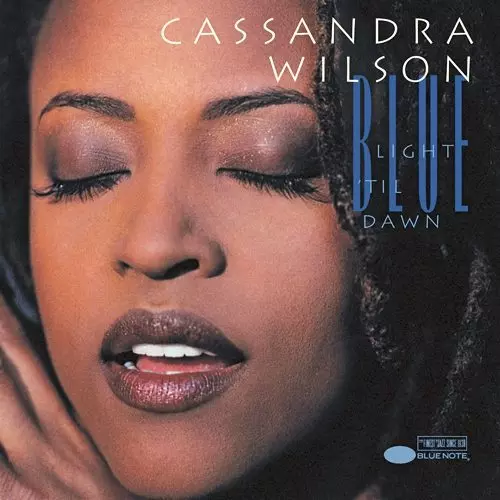
Blue Light ‘Til Dawn – Cassandra Wilson
Big Band Theory – Carla Bley

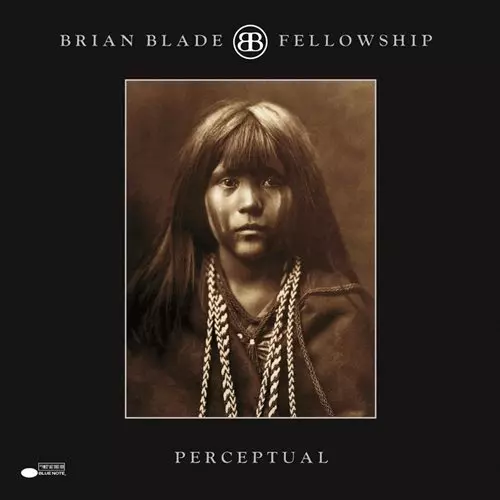
Perceptual – Brian Blade Fellowship
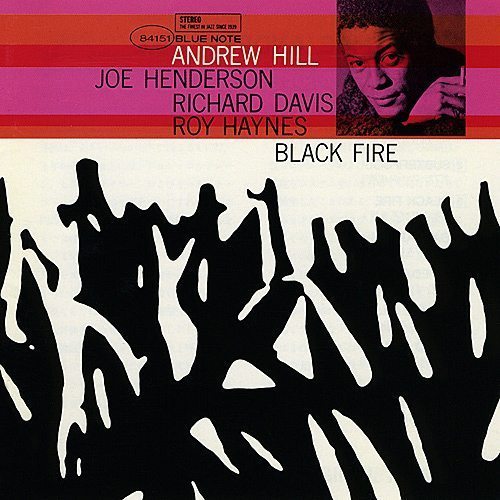
Black Fire – Andrew Hill
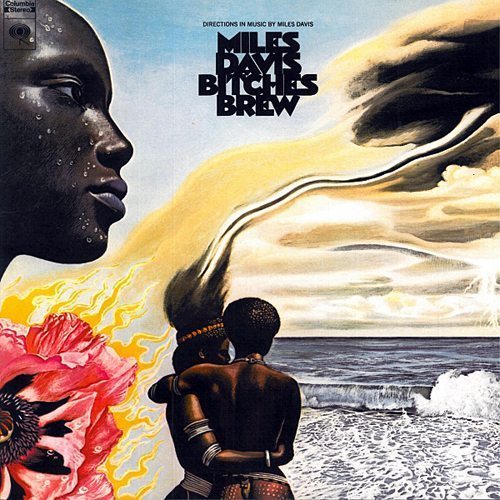
Bitches Brew – Miles Davis
Billie Holiday Sings – Billy Holiday
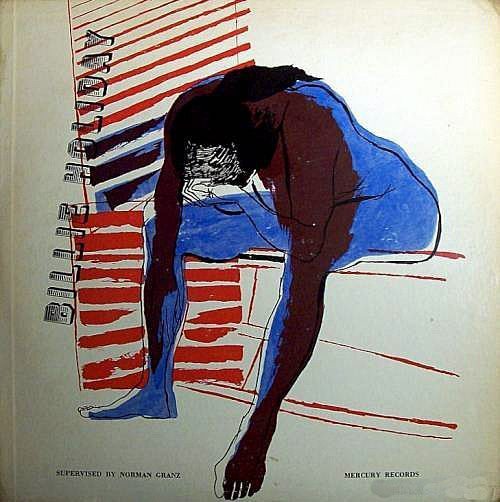
Jazz Classics Volume 1 – Sidney Bechet

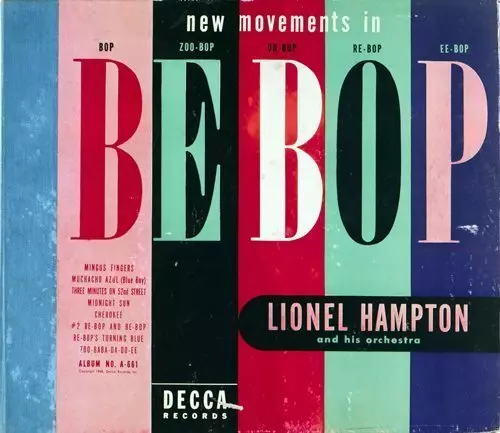
New Movements In Be-Bop – Lionel Hampton
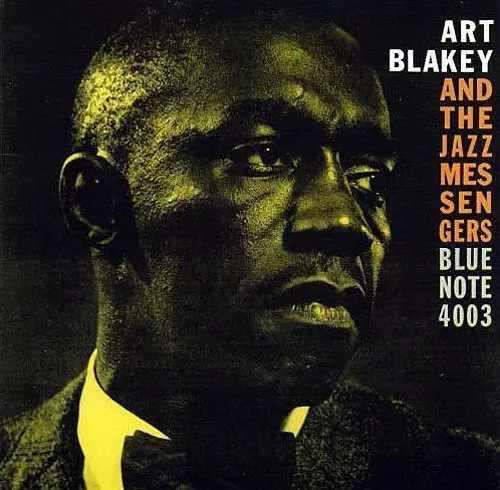
Moanin’ – Art Blakey and the Jazz Messengers
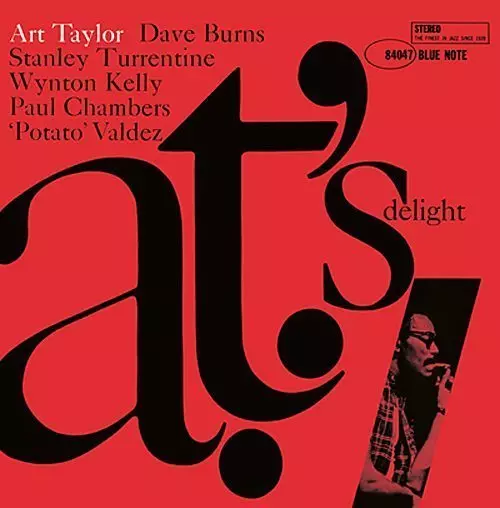
A.T.’s Delight – Art Taylor
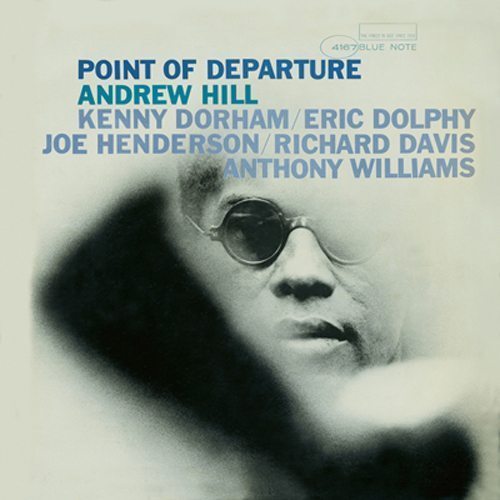
Point of Departure – Andrew Hill
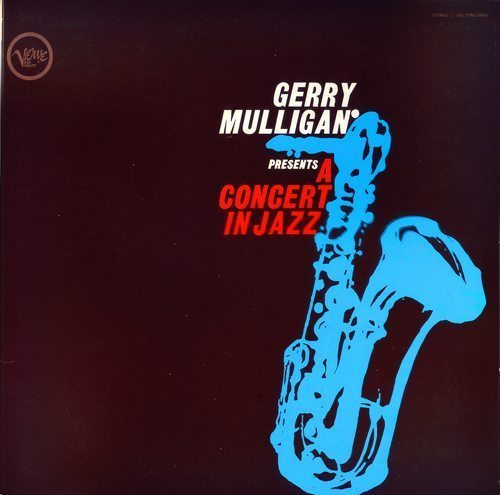
Gerry Mulligan Presets A Concert In Jazz – Gerry Mulligan
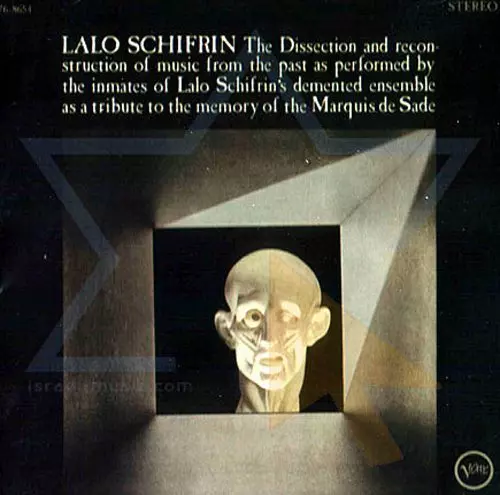
The Dissection and Reconstruction of Music From The Past As Performed By The Inmates of Lalo Schifrin’s Demented Ensemble As A Tribute T oThe Memory of Maquis de Sade – Lalo Schifrin
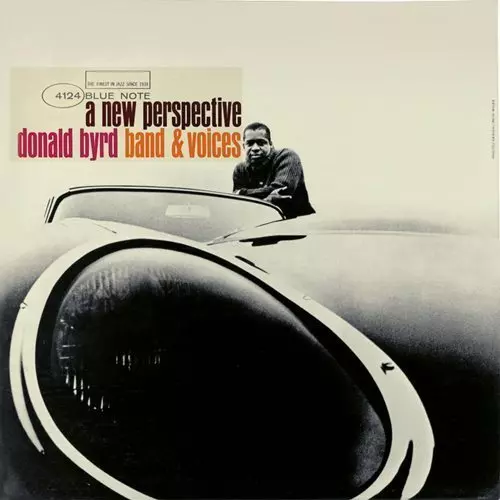
A New Perspective – Donald Byrd
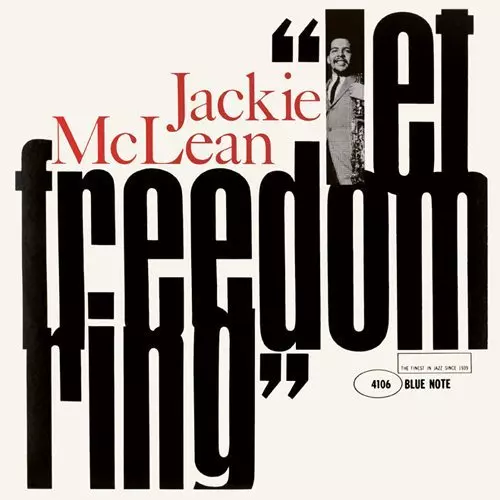
Let Freedom Ring – Jackie McLean
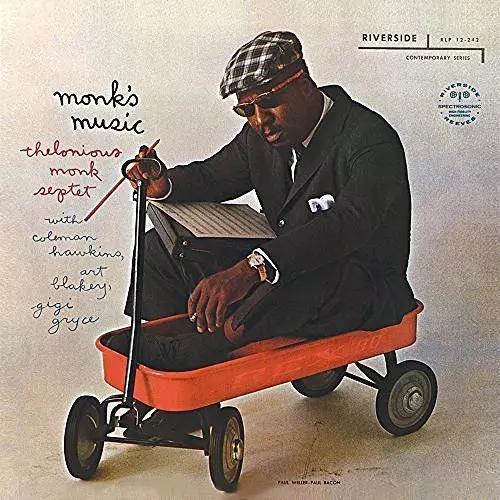
Monk’s Music – Thelonious Monk
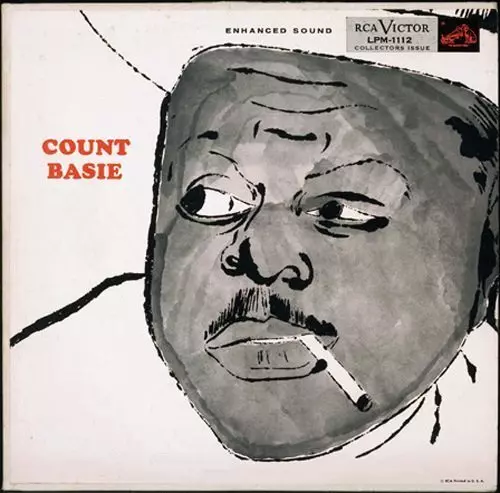
Count Basie – Count Basie
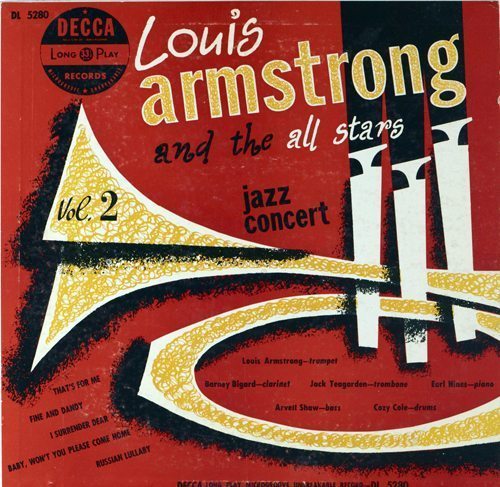
Jazz Concert Volume 2 – Louis Armstrong and the All Stars
 UK English